Zar winds
زارOn the Persian Gulf coast, certain winds are understood to afflict people and are calmed, not banished, in ceremonies of music and dance that are still practised today.
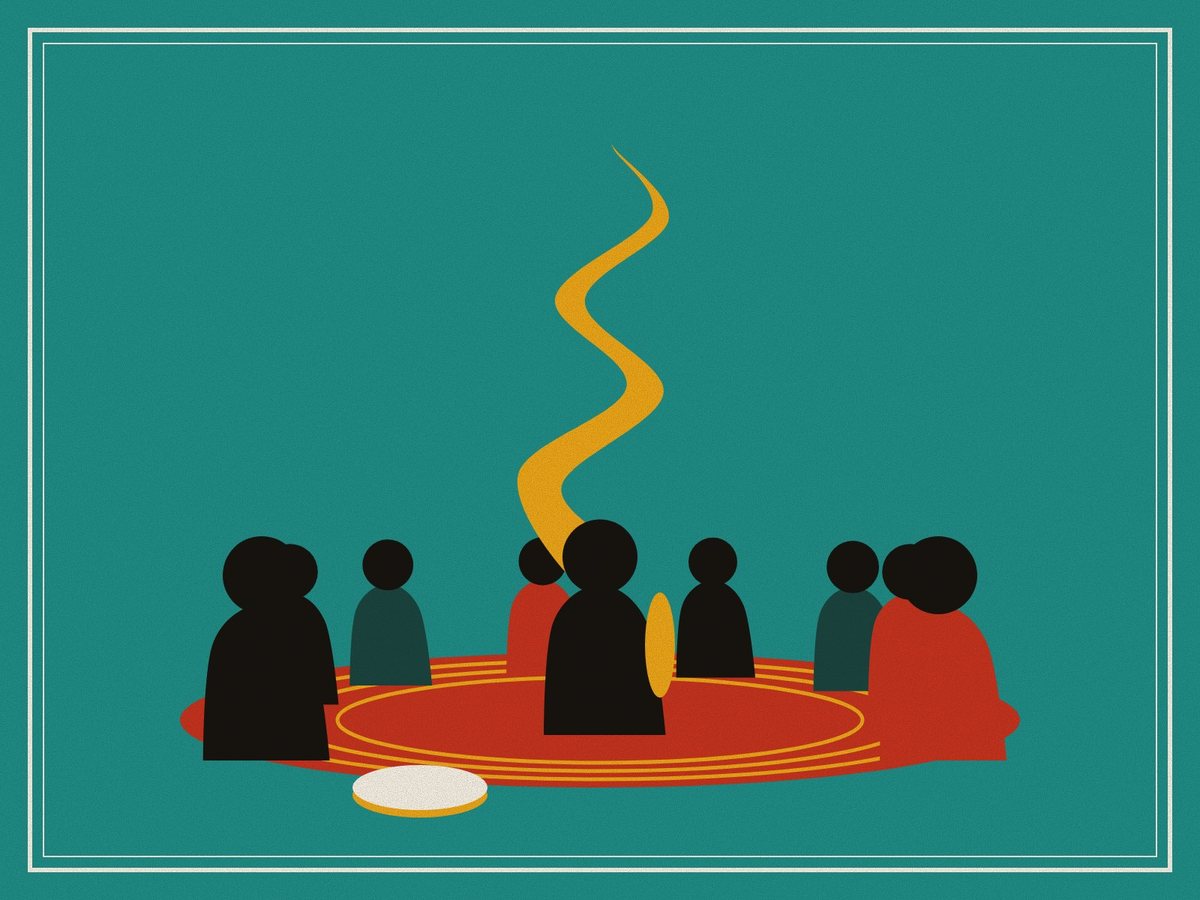
On the coast and islands of Hormozgan, and in parts of Bushehr and Baluchistan, people speak of bād, "winds": unseen beings that can enter a person and cause illness, restlessness or distress. The best known of these winds are the zār. Those who have been afflicted and have gone through the ceremonies to come to terms with their wind are called ahl-e havā, "people of the air". This entry describes a practice that is part of many people's lives today, and does so as researchers and practitioners have described it.
Placating the wind
The ceremony is led by a bābā zār or māmā zār, a man or woman with long experience of the winds. Its aim is not usually to drive the wind out but to discover who it is and what it wants, and to reach an accommodation so that it lives peaceably with its host. The core of the gathering is music: drums of several sizes and songs in a mix of languages, during which the afflicted person may move into trance and the wind can speak. Offerings, special foods and rules of conduct may follow. Communities speak of many kinds of wind, and each has its own character and origin.
Its aim is not to drive the wind out but to discover who it is and what it wants.
The writer and psychiatrist Gholamhossein Saedi documented the practice along the Gulf coast in 1961 and published his study Ahl-e Havā in 1966; the scholar Ali Riyahi followed with Zār o bād o baluch in 1977. Both connected it with East Africa, from where zār is also known, and with the long history of travel, trade and forced migration across the Indian Ocean. The Encyclopaedia Iranica notes that the ceremony has faded in some ports and remains more active in others, such as the island of Qeshm.
The music of the zār has inspired Iranian musicians and filmmakers, and researchers continue to work with the communities who keep it.
More from Folk creaturesموجودات افسانهای
Al
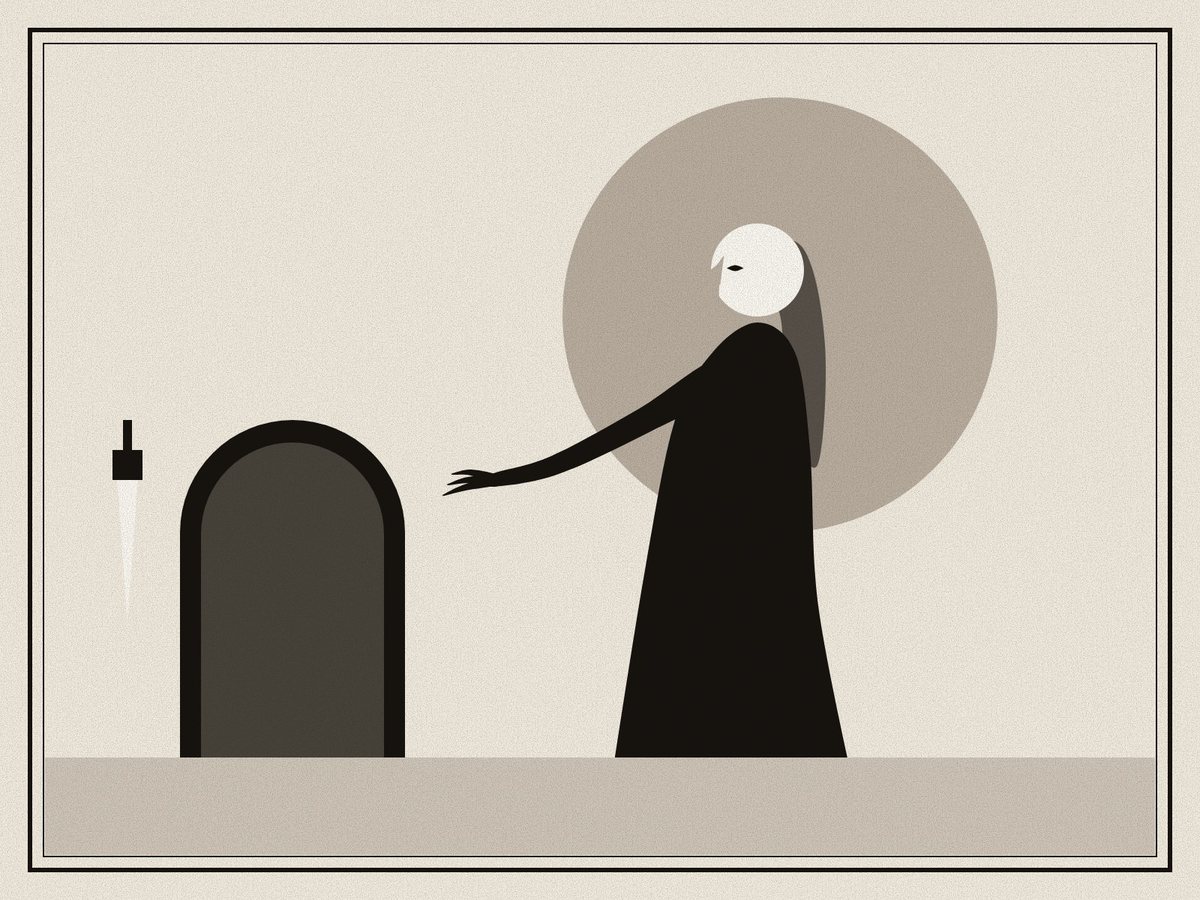
A female being said to haunt women in the days after childbirth, feared across Iran and among its neighbours, and kept at bay with iron, onion and company.
Div
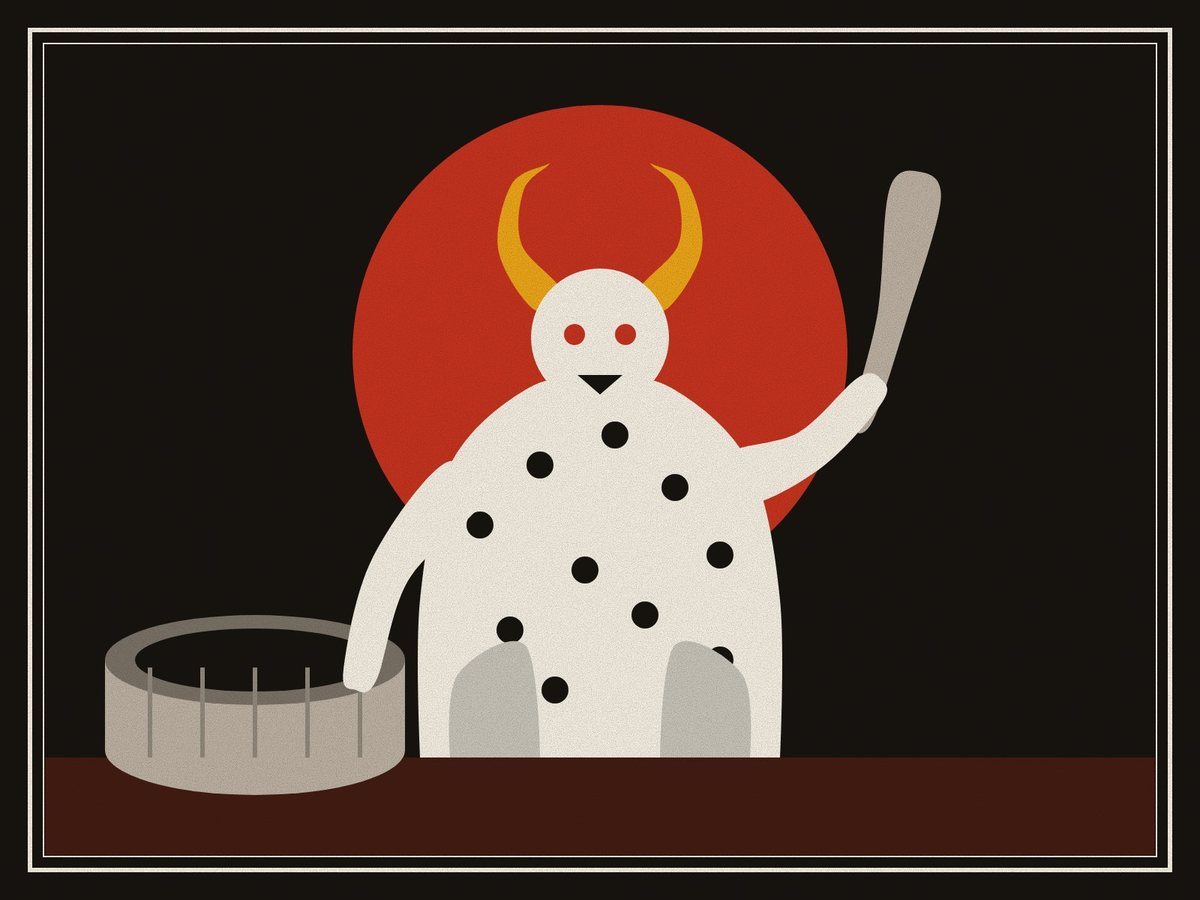
Once a word for gods, the div became the great demon of Iranian story: an enemy of order in the Avesta, a captive scribe in the Shahnameh, and a horned giant in grandmothers' tales.
The White Div
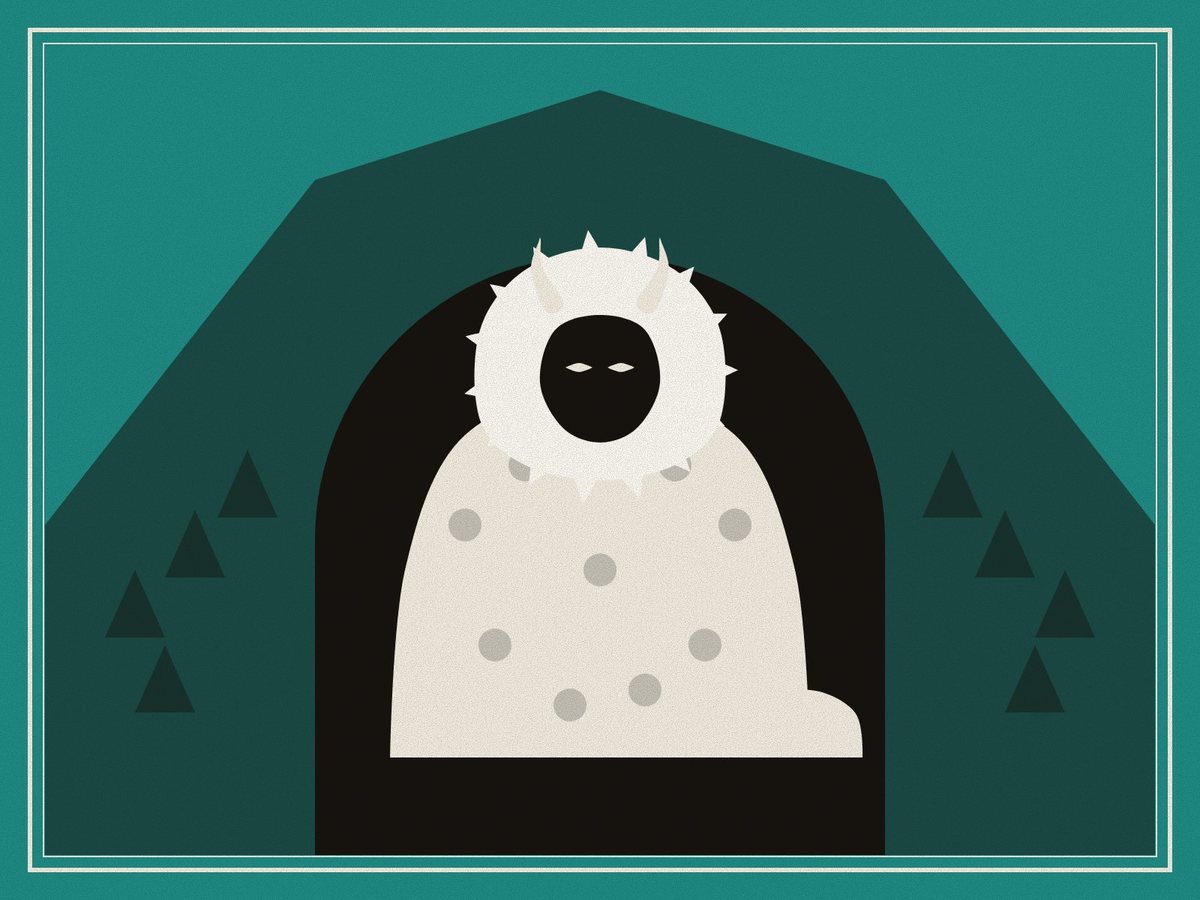
The lord of the divs of Mazandaran, who blinded a king and his army, and whose blood restored their sight after Rostam killed him in his cave.