The three-legged ass
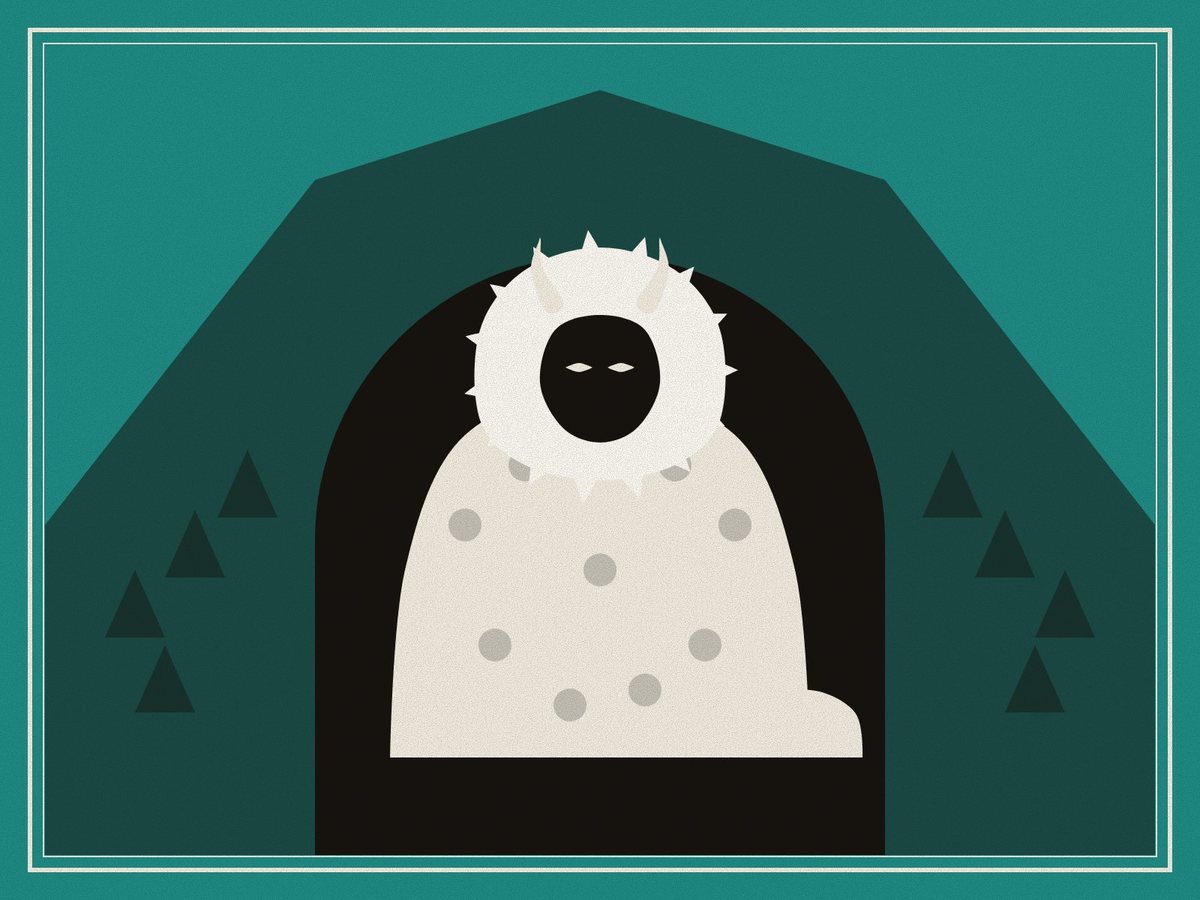
خر سهپاA white, one-horned giant with three legs, six eyes and nine mouths who stands in the cosmic sea and keeps its waters pure.
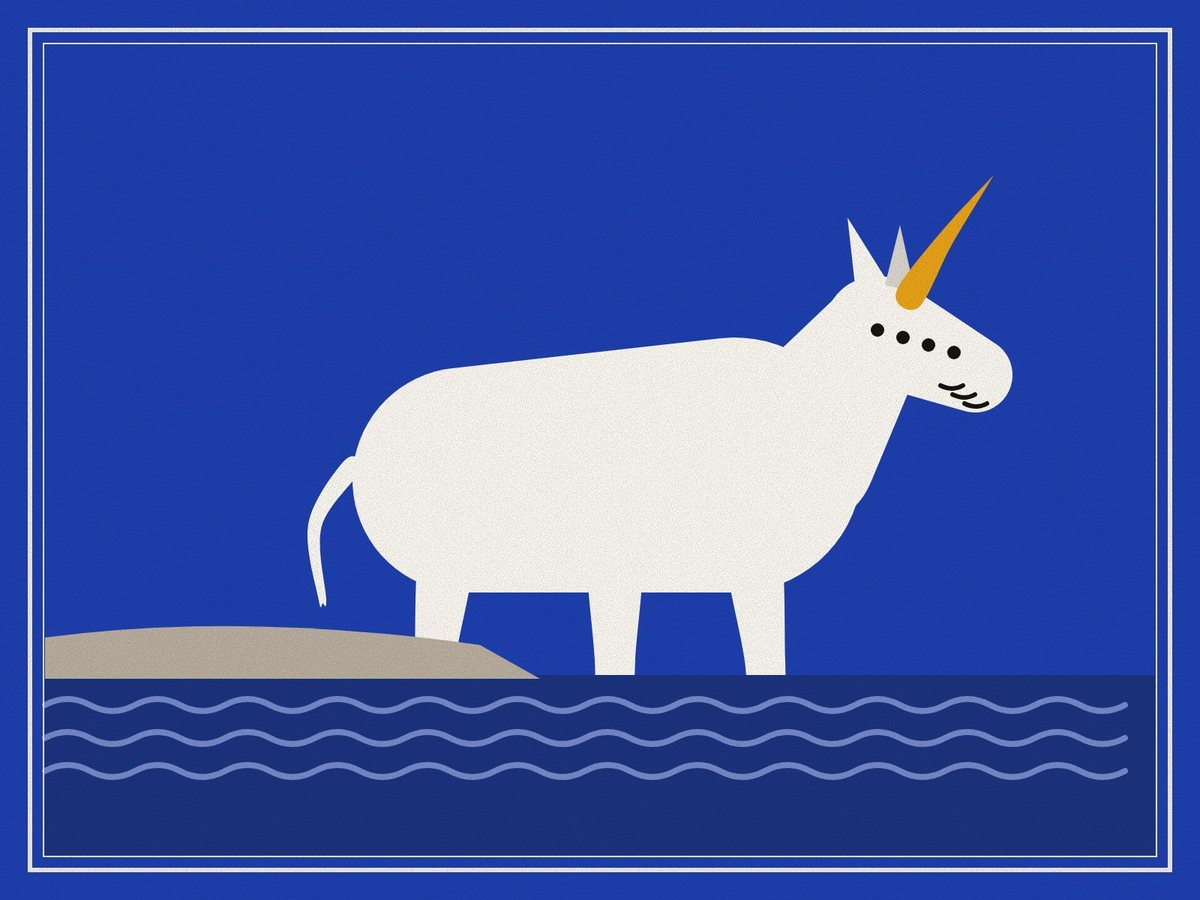
Among the strangest creatures of Zoroastrian cosmology is the khar-e se-pā, the three-legged ass. A short Avestan prayer already honours the "righteous ass" that stands in the middle of the sea Vourukasha. The Middle Persian Bundahishn describes it in full. It is white, it has three legs, six eyes, nine mouths, two ears and a single golden horn, and it is enormous: each mouth is the size of a house, and the creature is as big as Mount Alvand, the peak above Hamadan.
A cleaner of the waters
Its work is purification. With its eyes it can see and strike any harmful creature, and its golden horn, the texts say, destroys the noxious beings of Ahriman. When it lowers its head into the sea, the waters tremble. The urine of the three-legged ass purifies the seas, and the Bundahishn also says that ambergris is its dung. That explanation, as the Encyclopaedia Iranica notes, was a way of accounting for the precious, sweet-smelling substance that washed up on the shores of the Gulf and the Indian Ocean and was prized in medicine and perfume. The ass also helps Tishtrya, the spirit of rain, as he draws water up from the sea.
Each mouth is the size of a house, and the creature is as big as Mount Alvand.
Scholars have offered many readings of its numbers: three legs, six eyes, nine mouths. Some see a symbol of ritual purity, others a memory of very old Indo-Iranian imagery; none is certain. What is clear is that the creature belongs to the same watchful cosmos as the Kar fish and Chamrosh.
The Atlas pin stands at Jask on the Sea of Oman, a coast where ambergris has long been gathered, to represent a creature who in the texts stands in a sea no one can sail to. Illustrators can enjoy its improbable body; the house style suits its calm, symmetrical strangeness.
Across Cultureپیوندها
Mythology
Ahura Mazda and Ahriman
The Wise Lord and the Hostile Spirit: the oldest Iranian account of a world in which every person takes a side, and the moral heart of a faith still practised today.
More from Folk creaturesموجودات افسانهای
Al
A female being said to haunt women in the days after childbirth, feared across Iran and among its neighbours, and kept at bay with iron, onion and company.
Div
Once a word for gods, the div became the great demon of Iranian story: an enemy of order in the Avesta, a captive scribe in the Shahnameh, and a horned giant in grandmothers' tales.
The White Div
The lord of the divs of Mazandaran, who blinded a king and his army, and whose blood restored their sight after Rostam killed him in his cave.