Huma
هماThe bird of good fortune whose shadow was said to make a king, and who, the poets say, eats only bones and harms no living thing.
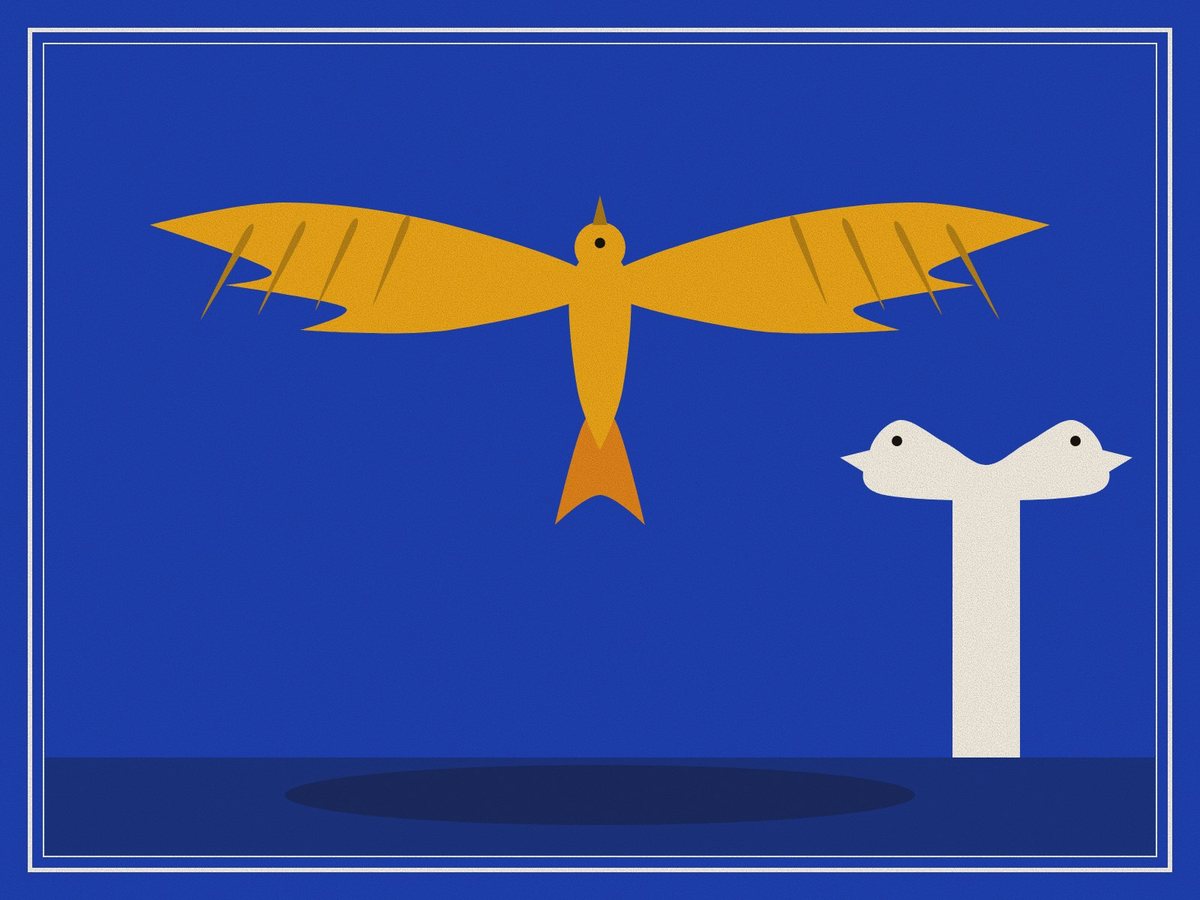
The homā or humā is the luckiest bird in Persian literature. Its defining power lies in its shadow. Whoever the shadow of the huma falls upon, it was said, will be fortunate, and in many stories will become king. The phrase sāye-ye homā, "the shadow of the huma", became a standard image for royal favour and divine blessing, and poets from the Ghaznavid period onwards used the bird to praise their patrons. In the Mughal courts of India, which inherited Persian court culture, the same belief was attached to the crown and the throne.
The poets also gave the bird a moral. In his Golestan, Saadi of Shiraz says the huma is honoured above all other birds because it feeds on bones and harms no living creature. The lines hold up the huma as a model of a ruler, or anyone, who takes what they need without hurting others.
Honoured above all birds because it feeds on bones and harms no living creature.
Real bird and emblem
Saadi's detail is not pure fancy. In Persian the name homā is also given to the bearded vulture, or lammergeier, a great bird of the high mountains that really does live largely on bones, dropping them on rocks to break them. The mythical and the natural bird have shaped each other.
In modern Iran the huma has become an emblem. Its stylised form, drawn from the twin-headed griffin capitals of Persepolis, appears as the logo of the national airline, whose initials in Persian spell Homā, and in popular usage those Persepolis griffins are themselves often called homa, though the Achaemenid builders left no name for them. The Atlas pin marks Persepolis for that reason. The huma is distinct from the Simorgh, the great healing bird of the Shahnameh, who has her own entry.
Across Cultureپیوندها

Mythology
The Simorgh
The great bird who raised an abandoned prince in her nest, delivered Rostam into the world, and later became Persian poetry's image of the divine.
More from Folk creaturesموجودات افسانهای
Al
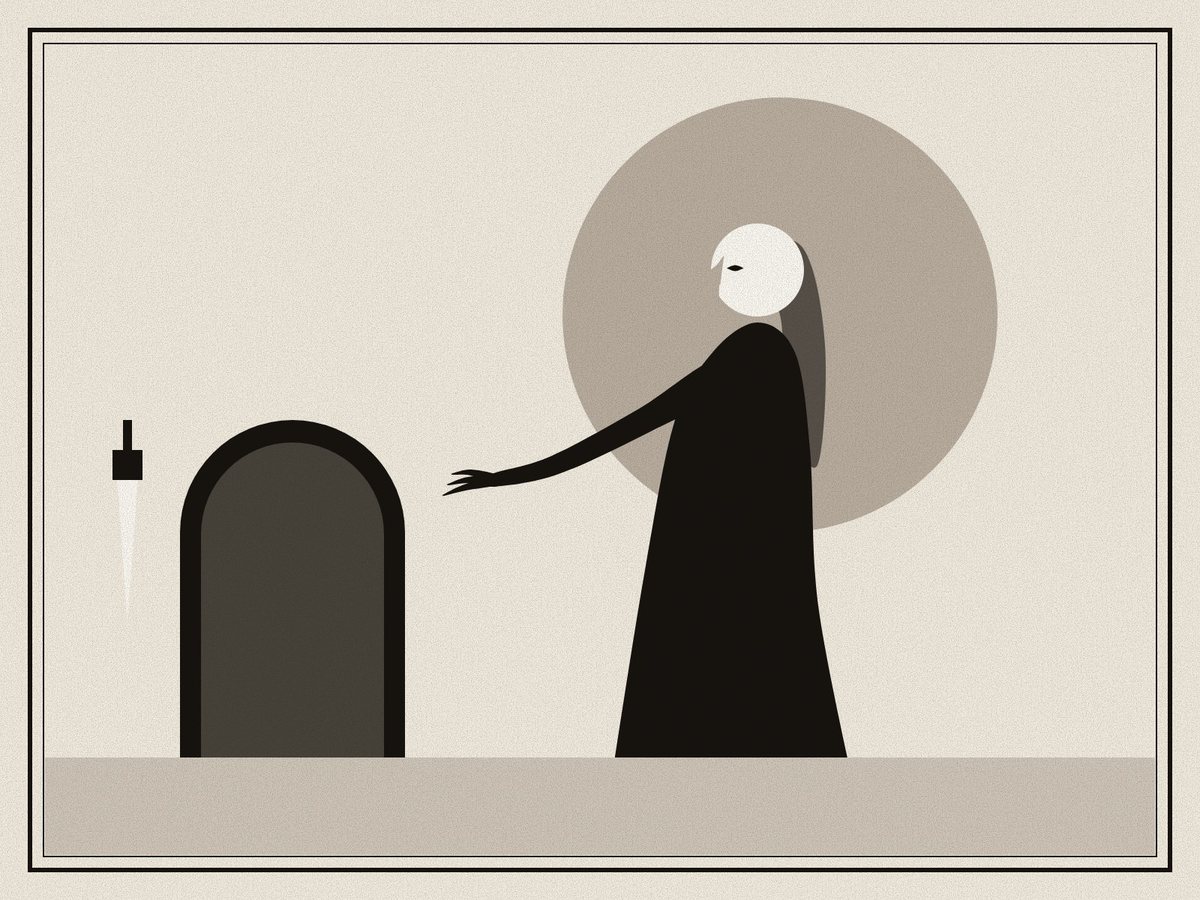
A female being said to haunt women in the days after childbirth, feared across Iran and among its neighbours, and kept at bay with iron, onion and company.
Div
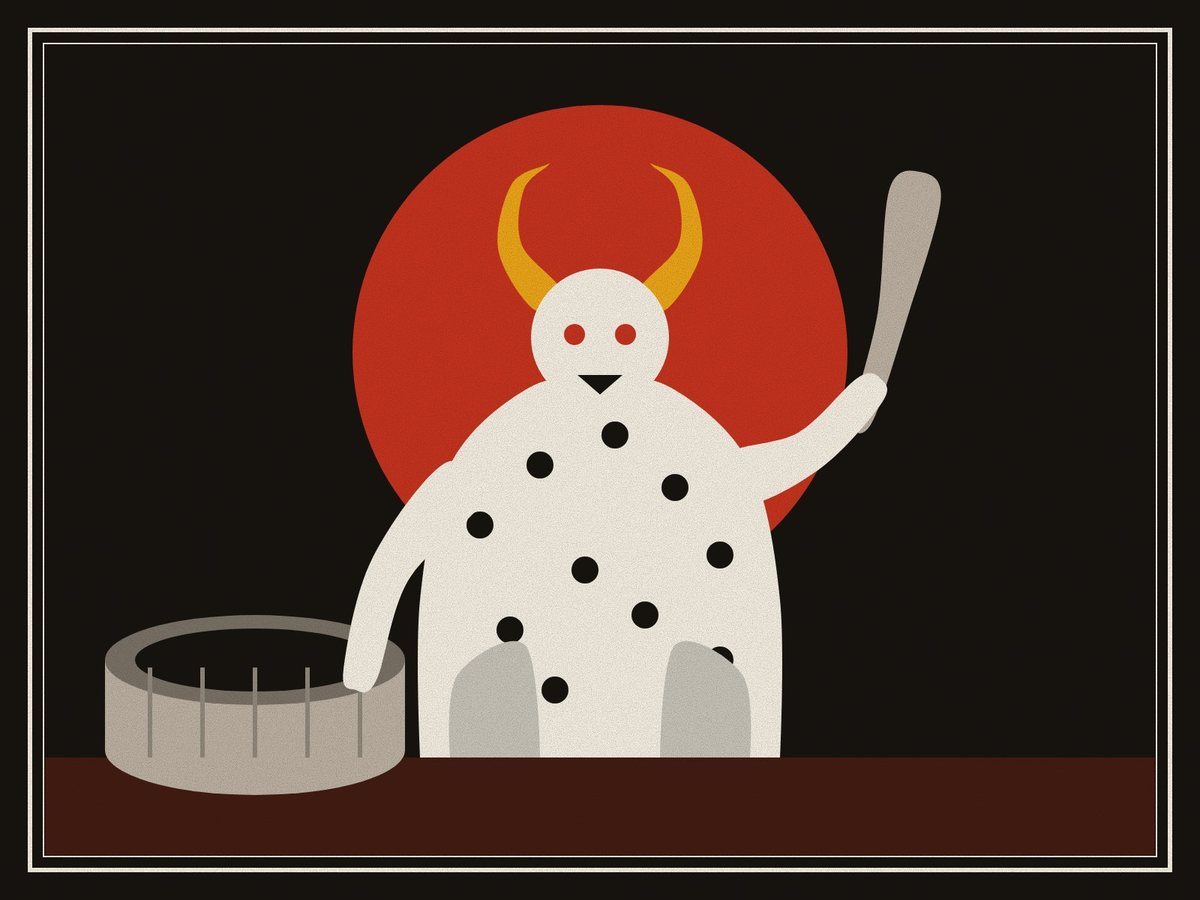
Once a word for gods, the div became the great demon of Iranian story: an enemy of order in the Avesta, a captive scribe in the Shahnameh, and a horned giant in grandmothers' tales.
The White Div
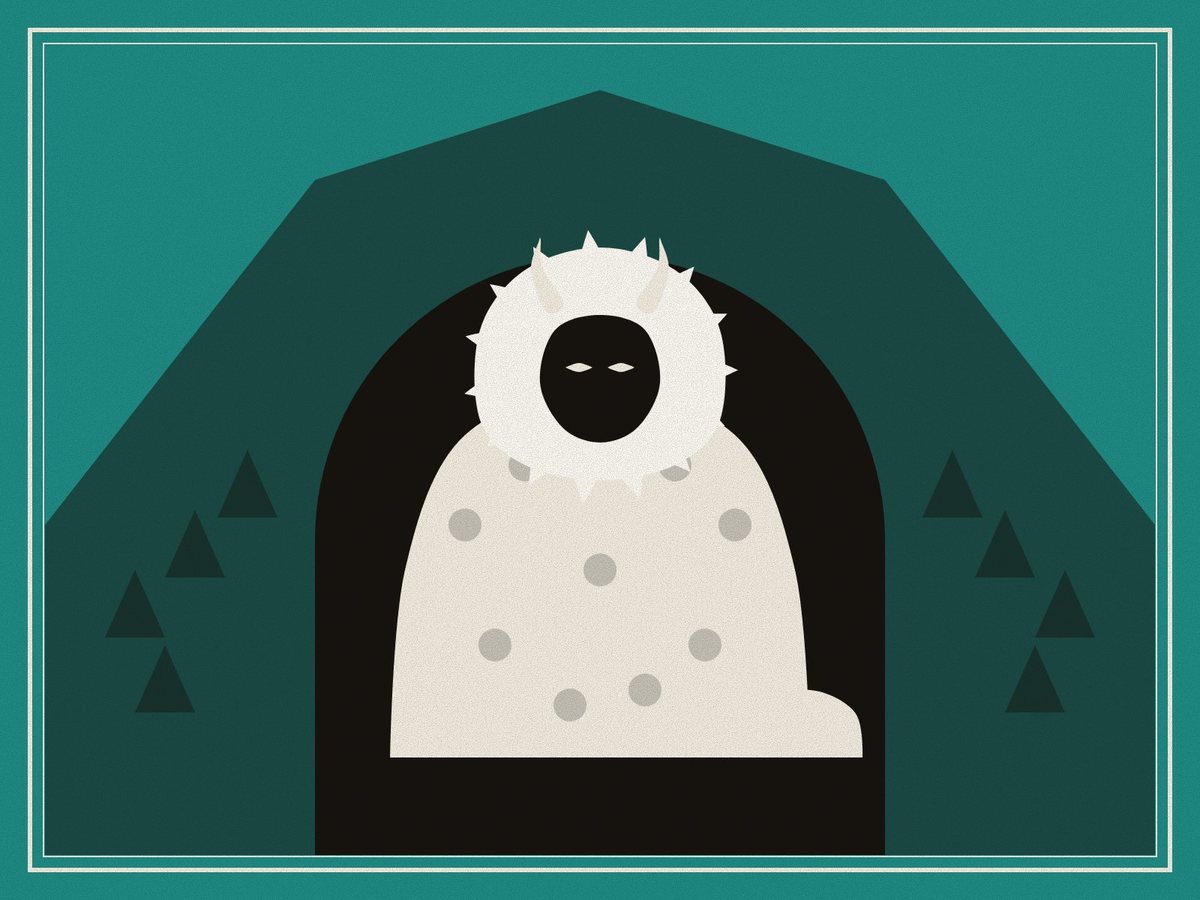
The lord of the divs of Mazandaran, who blinded a king and his army, and whose blood restored their sight after Rostam killed him in his cave.