Shahmaran
شاهمارانThe wise queen of the snakes, a woman above and a serpent below, whose trust was betrayed by the young man she loved, and whose image still hangs in many Kurdish homes.
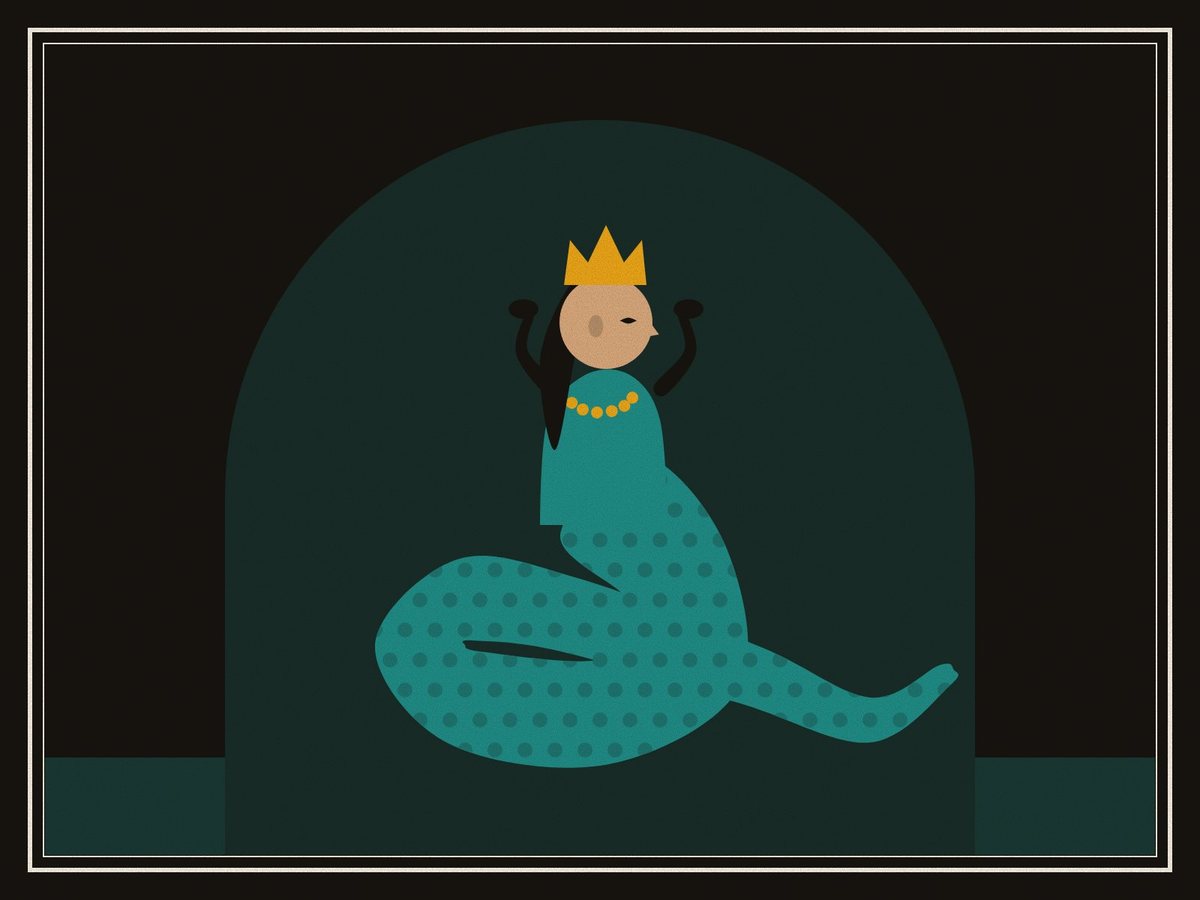
Shahmaran's name is Persian, shāh-e mārān, "king of the snakes", though in the story she is a queen. She has the head and body of a woman and the coiled tail of a great serpent, and she rules an underground realm full of snakes. In the most familiar version a young man, called Jamasb or Camasb, is lowered into a cave with friends to collect honey. The others abandon him, and he finds his way into Shahmaran's hidden garden. She welcomes him; they fall in love, and she teaches him the secrets of plants and healing. At last he longs for home, and she lets him go on one condition: he must never tell anyone where she is.
Back in the world above, a king falls ill, and his vizier declares that only the flesh of Shahmaran can cure him. Those who have seen her, he says, will have scaly skin. Jamasb is discovered at the bathhouse and forced to lead the king's men to her. In many versions she forgives him and tells him how to divide her body: one part will give knowledge to whoever eats it, another will kill. The scheming vizier dies, and Jamasb becomes a great healer, sometimes identified with the sage Loqman.
She lets him go on one condition: he must never tell anyone where she is.
An image in the home
Tellings of the story are found among Kurds, Persians, Turks, Armenians and Arabs; the Persian folk book Jamasb-nameh contains it, and a related tale appears in the Thousand and One Nights. A study in the Iranian journal Culture and Folk Literature describes her as the female-headed snake known among Kurds as Shamaran. Pictures of her, painted on glass, embroidered or hammered in copper, are kept in many Kurdish homes as a sign of luck and protection. Several cities now claim her story, and some writers dispute those claims; the Atlas pin marks Mardin, where her image is especially common.
More from Folk creaturesموجودات افسانهای
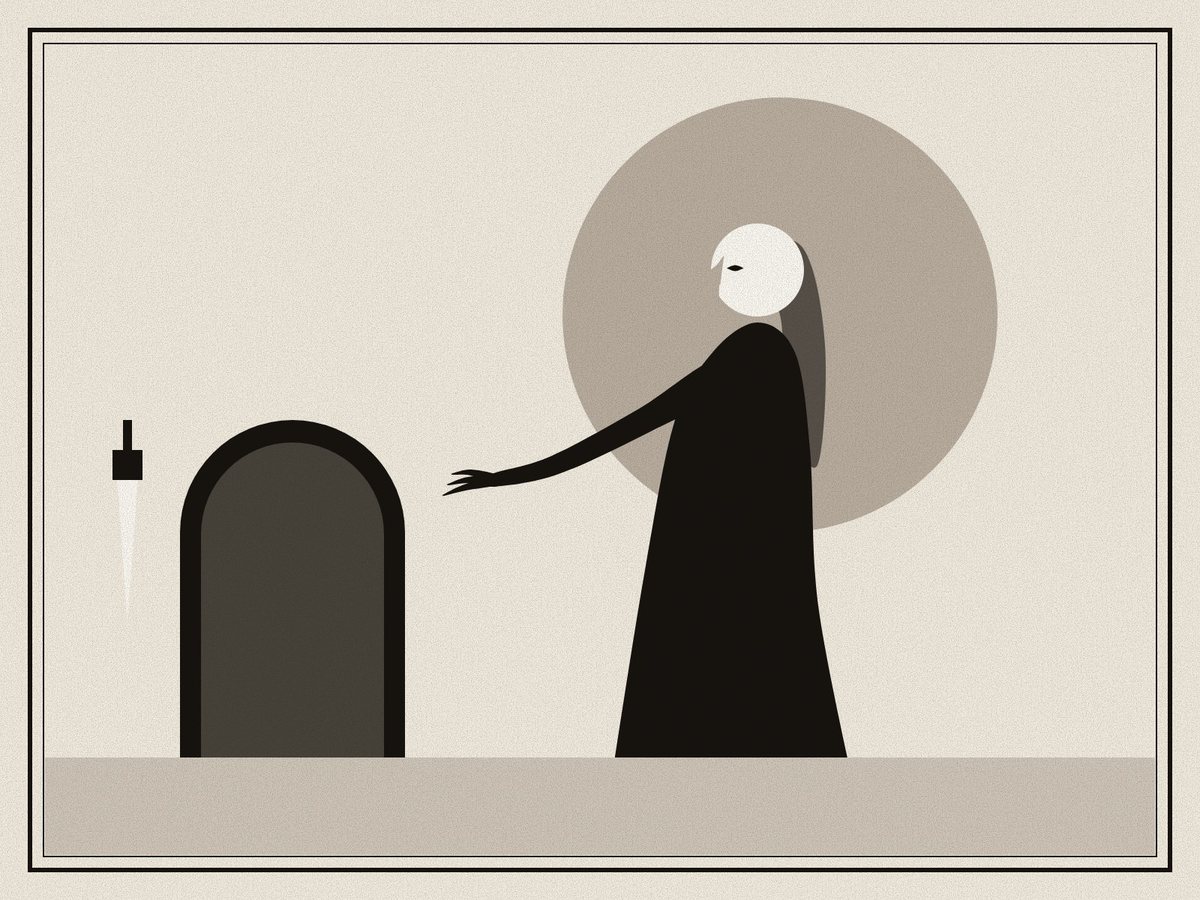
Al
A female being said to haunt women in the days after childbirth, feared across Iran and among its neighbours, and kept at bay with iron, onion and company.
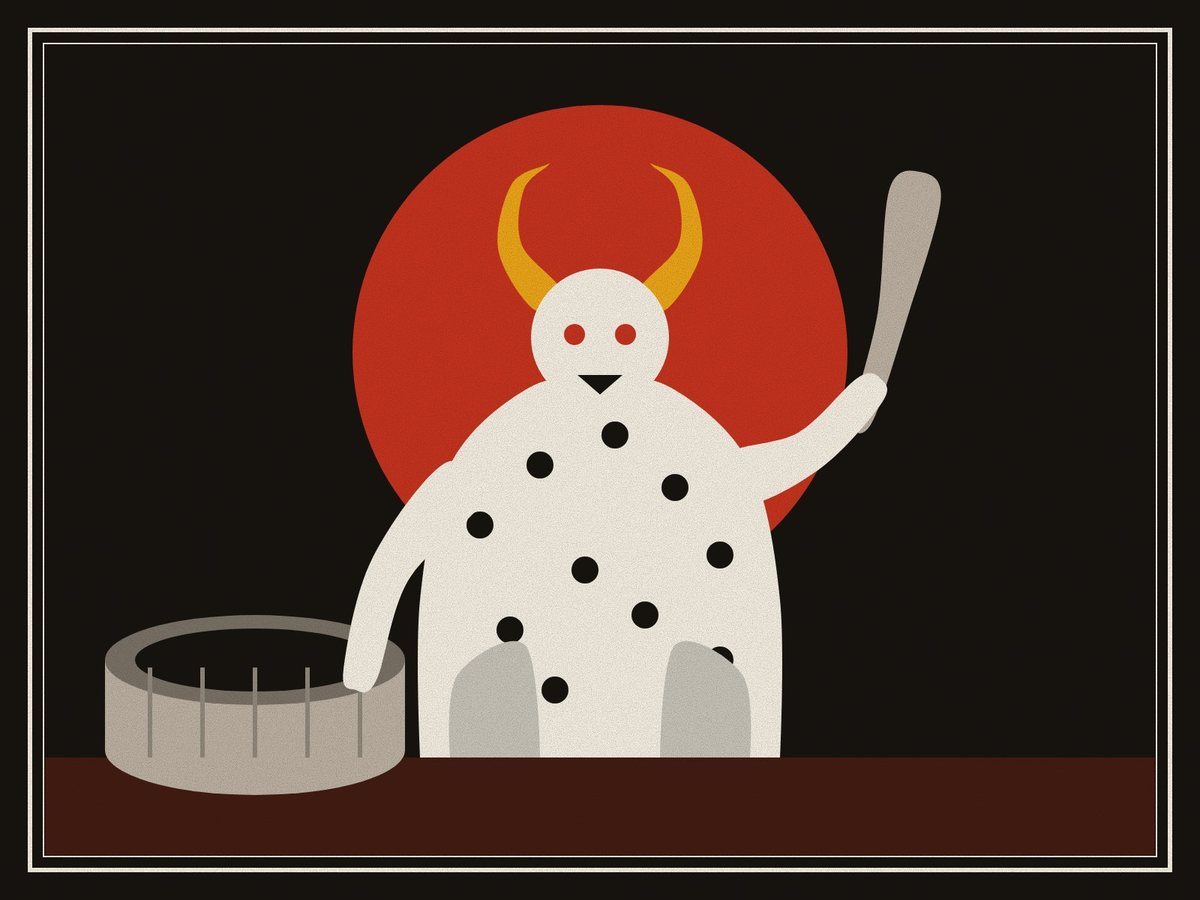
Div
Once a word for gods, the div became the great demon of Iranian story: an enemy of order in the Avesta, a captive scribe in the Shahnameh, and a horned giant in grandmothers' tales.
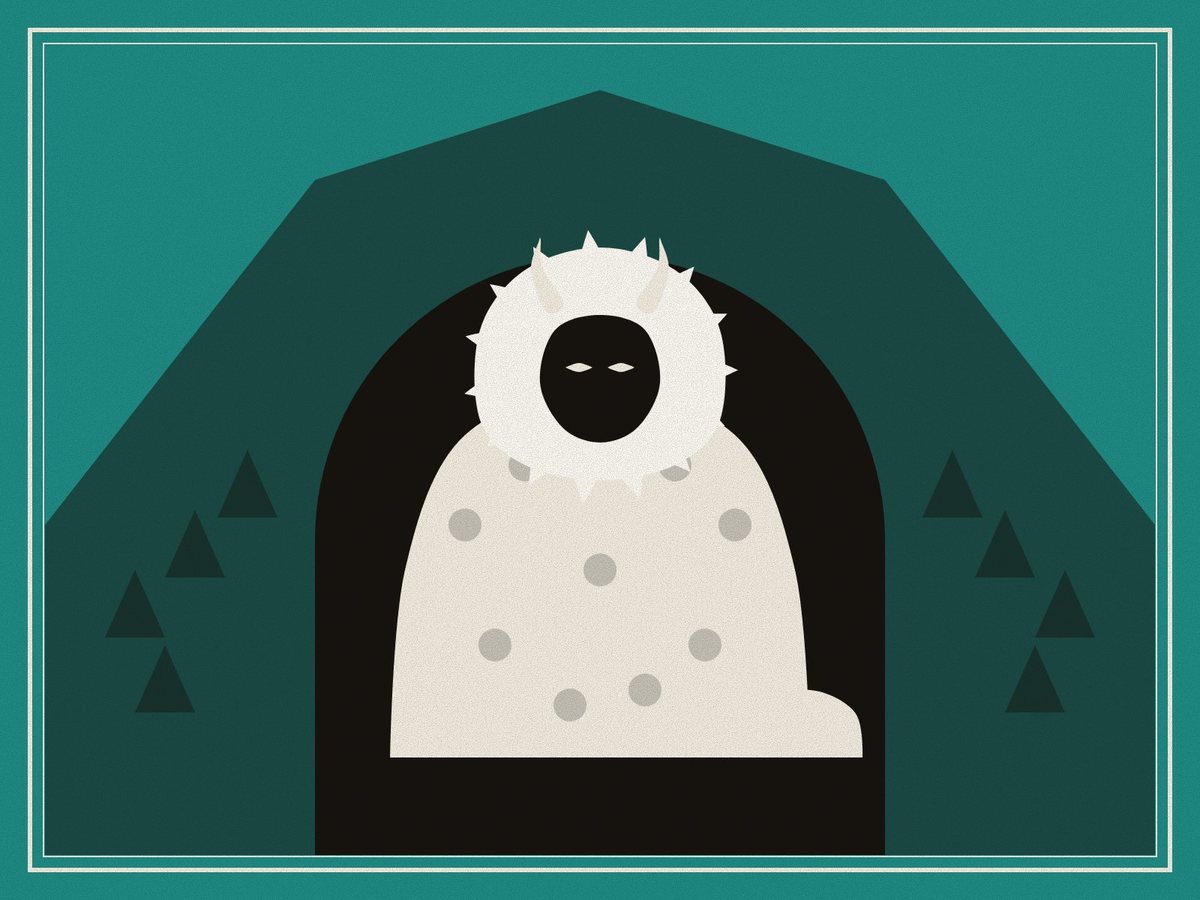
The White Div
The lord of the divs of Mazandaran, who blinded a king and his army, and whose blood restored their sight after Rostam killed him in his cave.