Bakhtak
بختکThe weight on the chest in the dark: a she-creature said to sit on sleepers so that they cannot move or cry out.
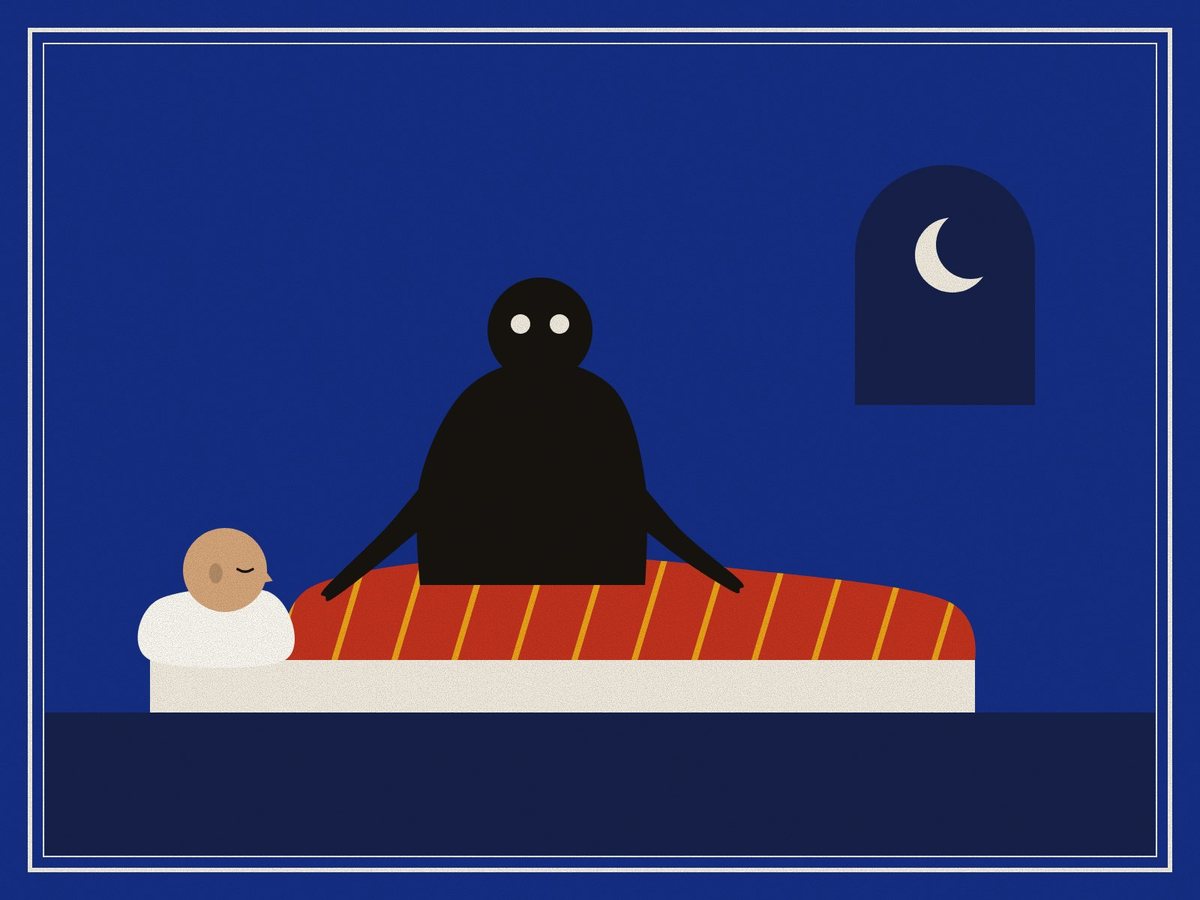
Many people have woken in the night unable to move, with the sense of a heavy presence pressing on their chest. In Iran that presence has a name: bakhtak. In the folk belief recorded across the country, the bakhtak is a female creature of frightful shape who comes at night and sits or lies on a sleeper, so that they cannot stir, speak or call for help until she leaves. The Encyclopaedia Iranica, in a short entry by Farrokh Gaffary, describes her as a personification of the nightmare and notes her resemblance to the Āl, another feared female being of Iranian folklore.
Like the Āl, the bakhtak was part of the everyday world of belief that Sadegh Hedayat set out to record in his Neyrangestan of 1933, alongside charms, omens and household customs. Accounts differ on what she looks like, and on how to avoid her. Common advice concerned sleeping positions, not eating a heavy meal late, and reciting prayers before sleep.
A personification of the nightmare.
A word that stayed
The bakhtak has outlived the belief. In everyday Persian, to fall on something "like a bakhtak" means to weigh on it heavily and unwelcomely, and the word is used of an oppressive presence, a burden or someone who will not leave. Writers and filmmakers have taken her up as an image of dread.
Modern researchers have pointed out that the bakhtak matches closely what medicine calls sleep paralysis, a brief state between sleep and waking in which the body cannot move and the mind may sense a presence. Similar night visitors are found in many cultures, including the old English "mare" of nightmare, and a recent study in the journal of the Academy of Persian Language and Literature compares the bakhtak with these European figures. Seen this way, she is one of the oldest human attempts to explain a real and frightening experience.
More from Folk creaturesموجودات افسانهای
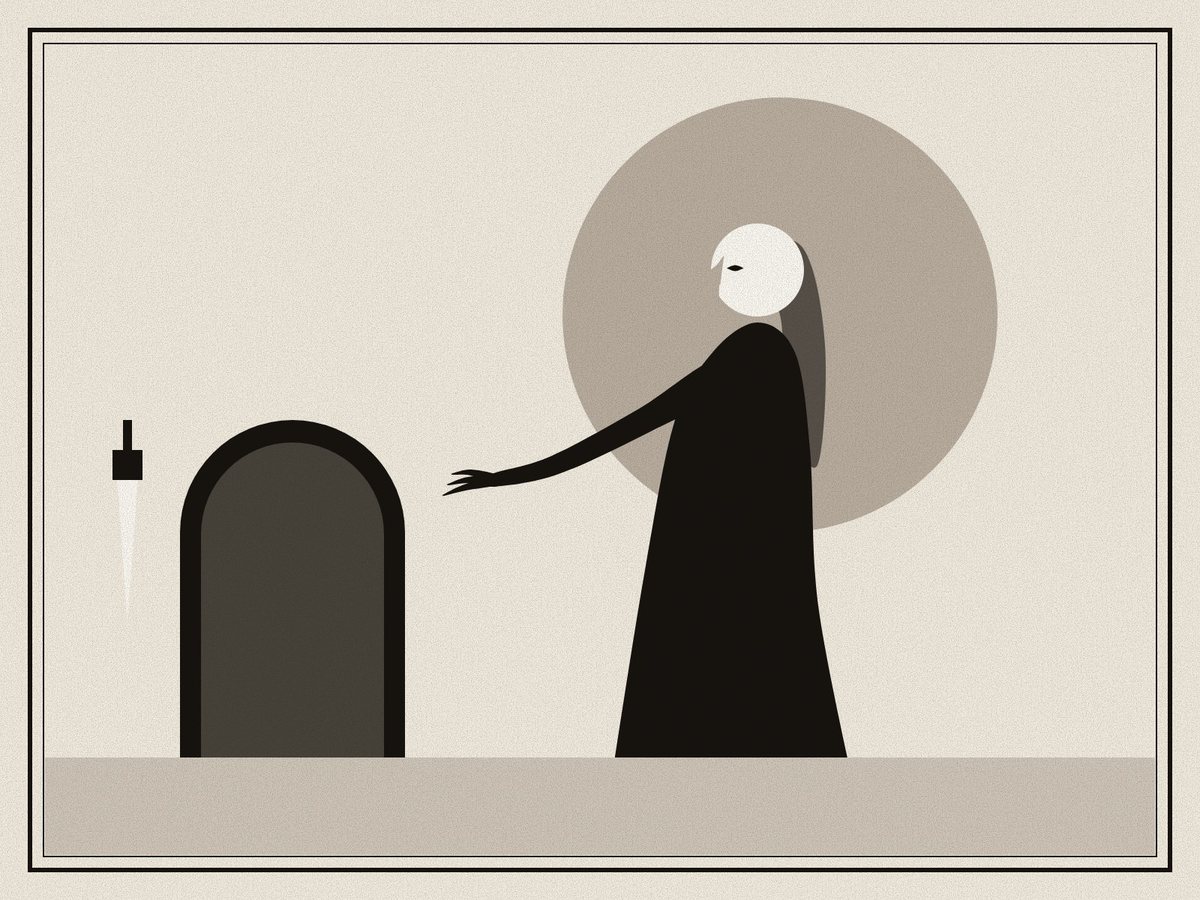
Al
A female being said to haunt women in the days after childbirth, feared across Iran and among its neighbours, and kept at bay with iron, onion and company.
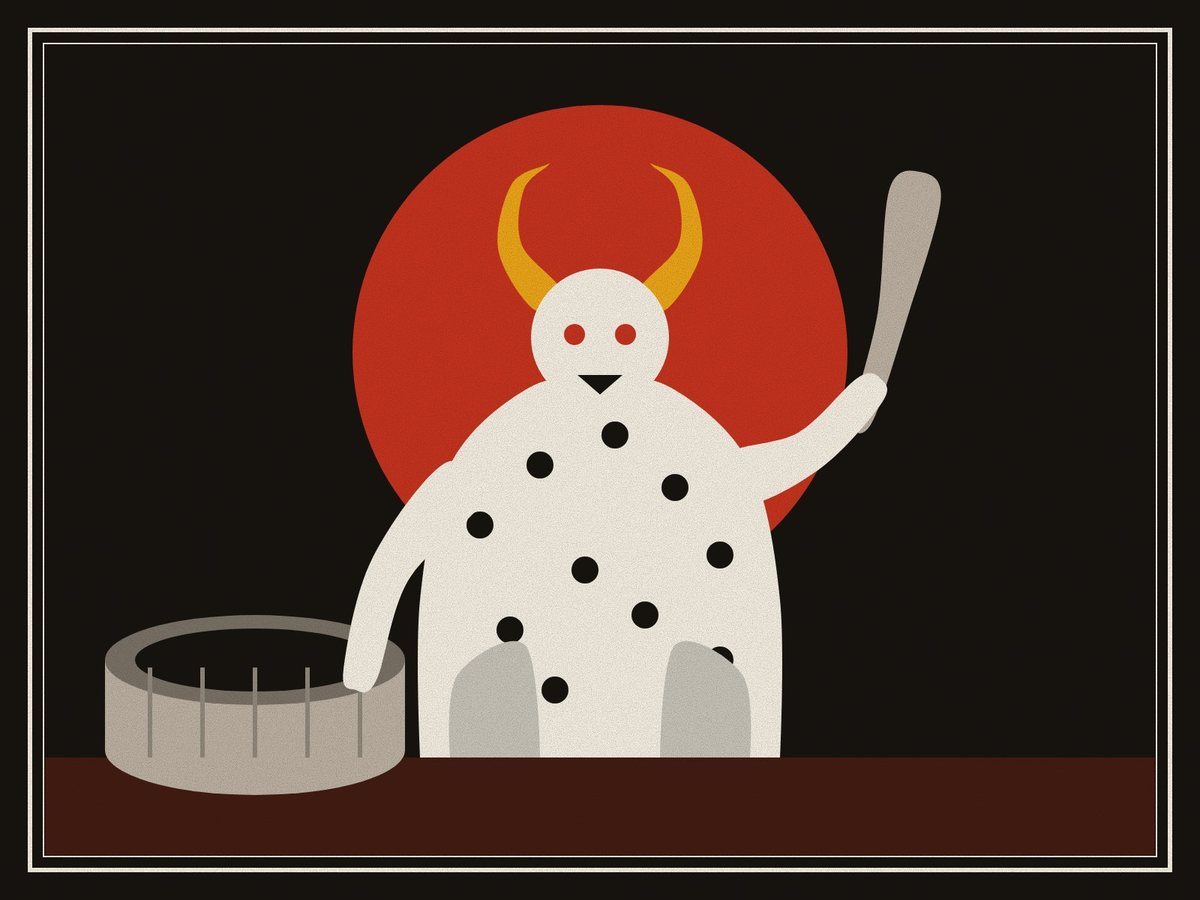
Div
Once a word for gods, the div became the great demon of Iranian story: an enemy of order in the Avesta, a captive scribe in the Shahnameh, and a horned giant in grandmothers' tales.
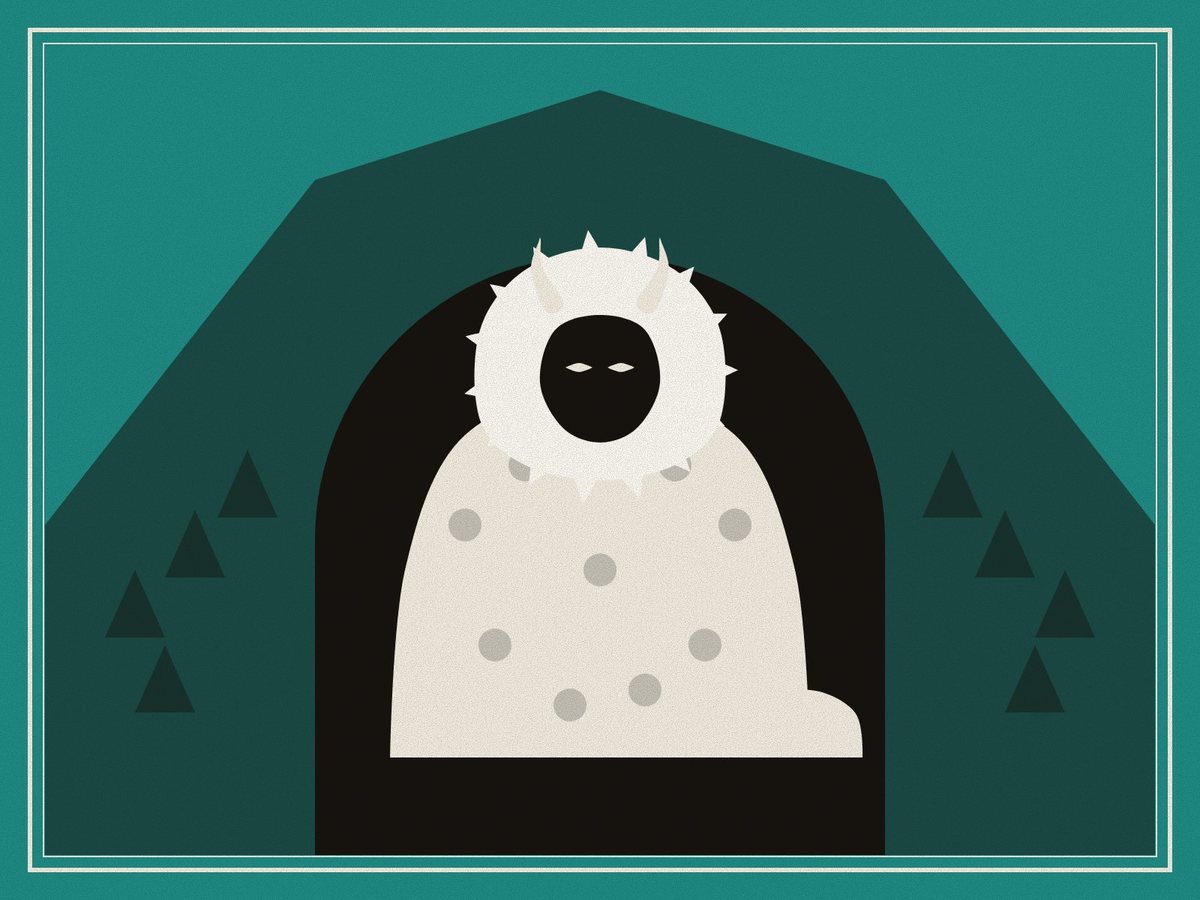
The White Div
The lord of the divs of Mazandaran, who blinded a king and his army, and whose blood restored their sight after Rostam killed him in his cave.