Div
دیوOnce a word for gods, the div became the great demon of Iranian story: an enemy of order in the Avesta, a captive scribe in the Shahnameh, and a horned giant in grandmothers' tales.
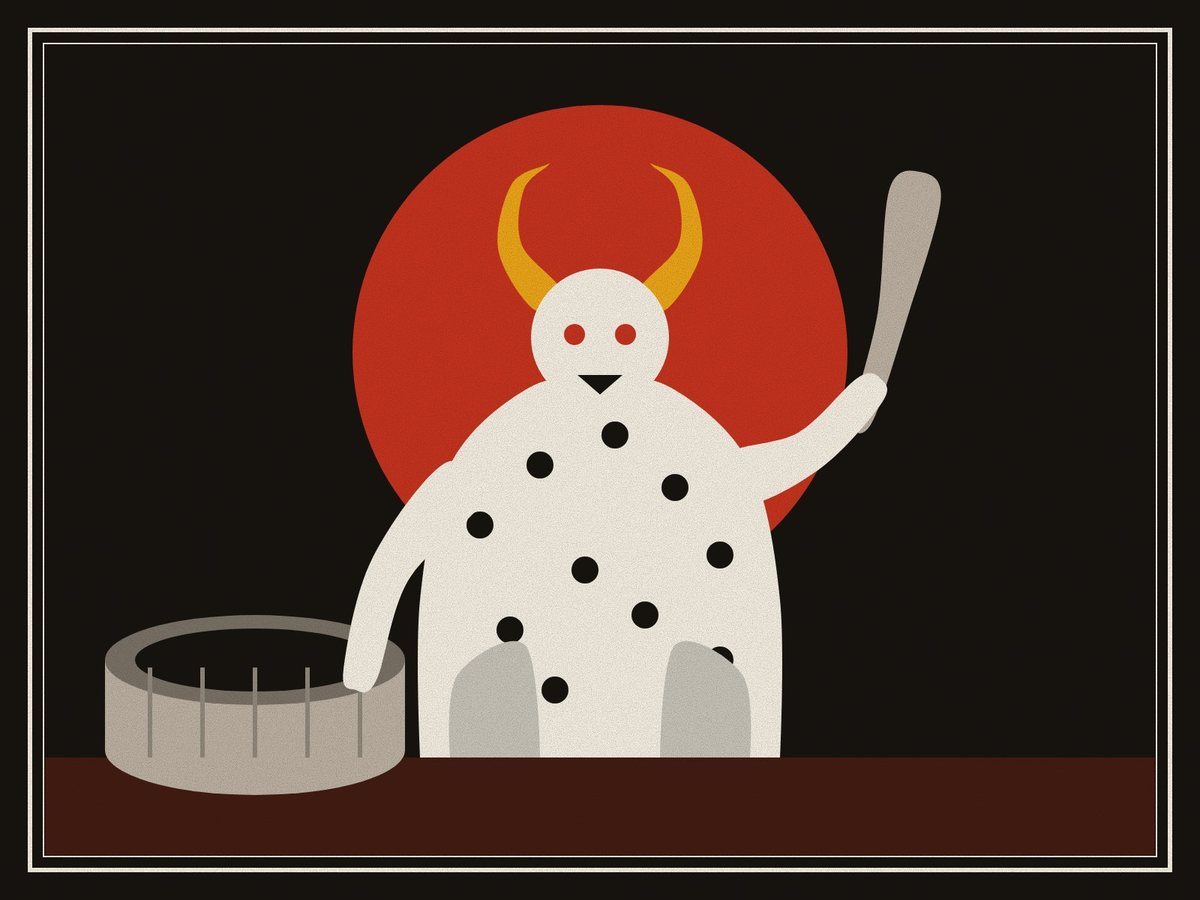
The word div has an unusual history. It comes from the Old Iranian daēva, a cousin of the Sanskrit deva, which in India kept its meaning of "god". In Iran the word went the other way. In the Gathas, the hymns attributed to Zarathustra, the daēvas are gods whom good people must reject; by the time of the later Avesta they are outright demons, servants of the Destructive Spirit, Angra Mainyu. Avestan hymns speak of the "daēvas of Māzana", and pious heroes pray to strike them down. In Zoroastrian theology, divs are the forces that spoil a good creation: lies, sickness, decay and wrath.
Divs in the Shahnameh
Ferdowsi inherited these demons and gave them a story. A Black Div kills Siyamak, son of the first king, Kayumars. Later the king Tahmuras, remembered as divband, "binder of divs", subdues them and rides Ahriman like a horse. In return for their lives the captive divs teach him writing, and the poem says they taught him nearly thirty scripts. It is a striking idea: the art of letters as a gift wrung from the enemy. Ferdowsi himself suggests a moral reading elsewhere in the poem, telling readers to understand the div as any person who is ungrateful and does harm.
The art of letters as a gift wrung from the enemy.
In folk tales the div changes again. He becomes a huge, often horned figure who lives in a well, a cave or a ruined fort, keeps a captive princess and can be outwitted more easily than outfought. A favourite motif is the div whose life is hidden outside his body, often in a glass bottle or a bird, so that the hero must find and break it. Divs give their name to places across Iran and Afghanistan, and div remains an everyday word for someone monstrous or for an enormous task.
In the Shahnamehشاهنامه
- Kayumars and the death of Siyamak →Kayumars, the first king, rules from a mountain in a world still learning to dress and eat. Ahriman's son, the Black Div, kills his son Siyamak. After a year of mourning, Siyamak's son Hushang leads an army of beasts and avenges him.
- Tahmuras, binder of the divs →Tahmuras tames animals, teaches spinning and, guided by a devout minister, binds Ahriman with spells and rides him round the world. When the divs rebel he defeats them, and they buy their lives by teaching him about thirty scripts.
Across Cultureپیوندها
Mythology
Ahura Mazda and Ahriman
The Wise Lord and the Hostile Spirit: the oldest Iranian account of a world in which every person takes a side, and the moral heart of a faith still practised today.

Mythology
Kayumars and the first kings
In Ferdowsi's Shahnameh, history begins on a mountainside with a king in a leopard skin, and the gifts of civilisation are won one by one: fire, iron, tamed animals, writing.
More from Folk creaturesموجودات افسانهای
Al
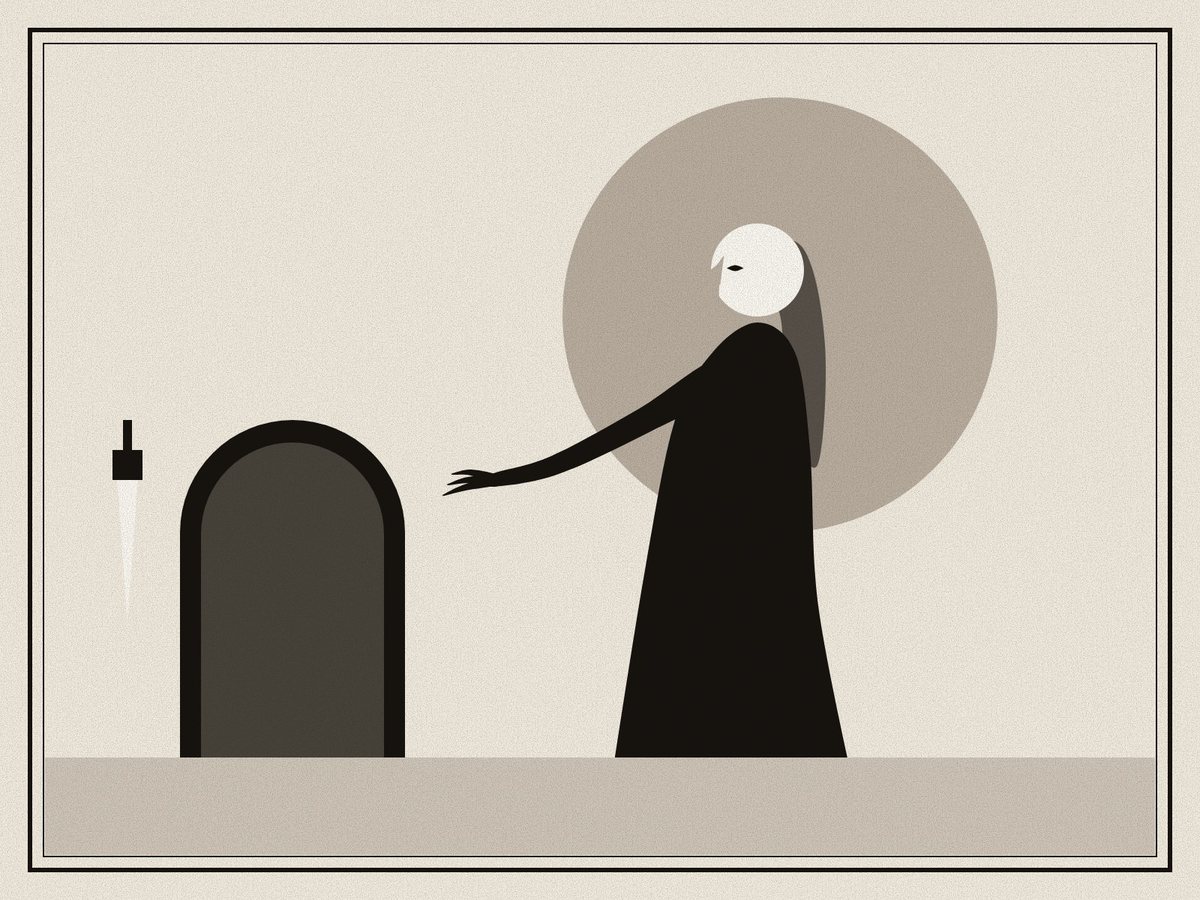
A female being said to haunt women in the days after childbirth, feared across Iran and among its neighbours, and kept at bay with iron, onion and company.
The White Div
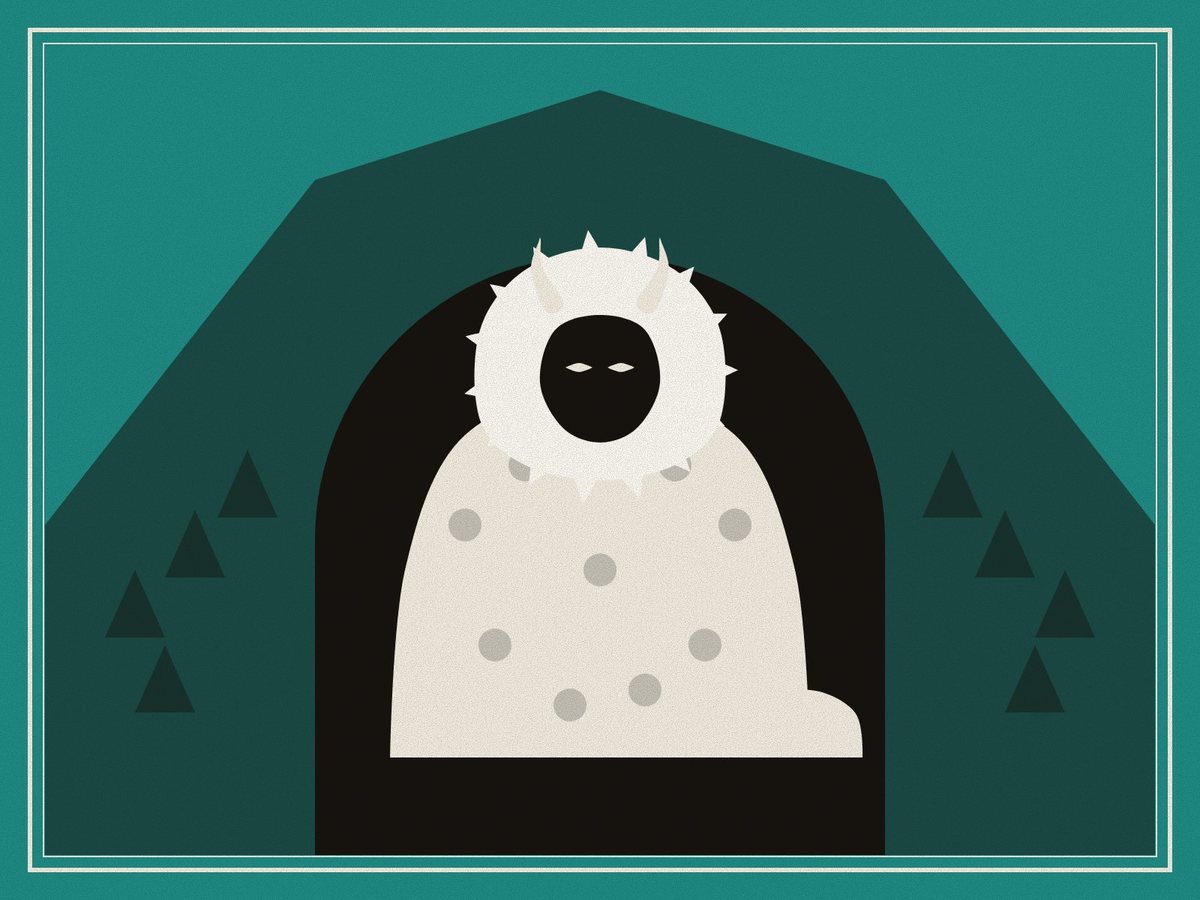
The lord of the divs of Mazandaran, who blinded a king and his army, and whose blood restored their sight after Rostam killed him in his cave.
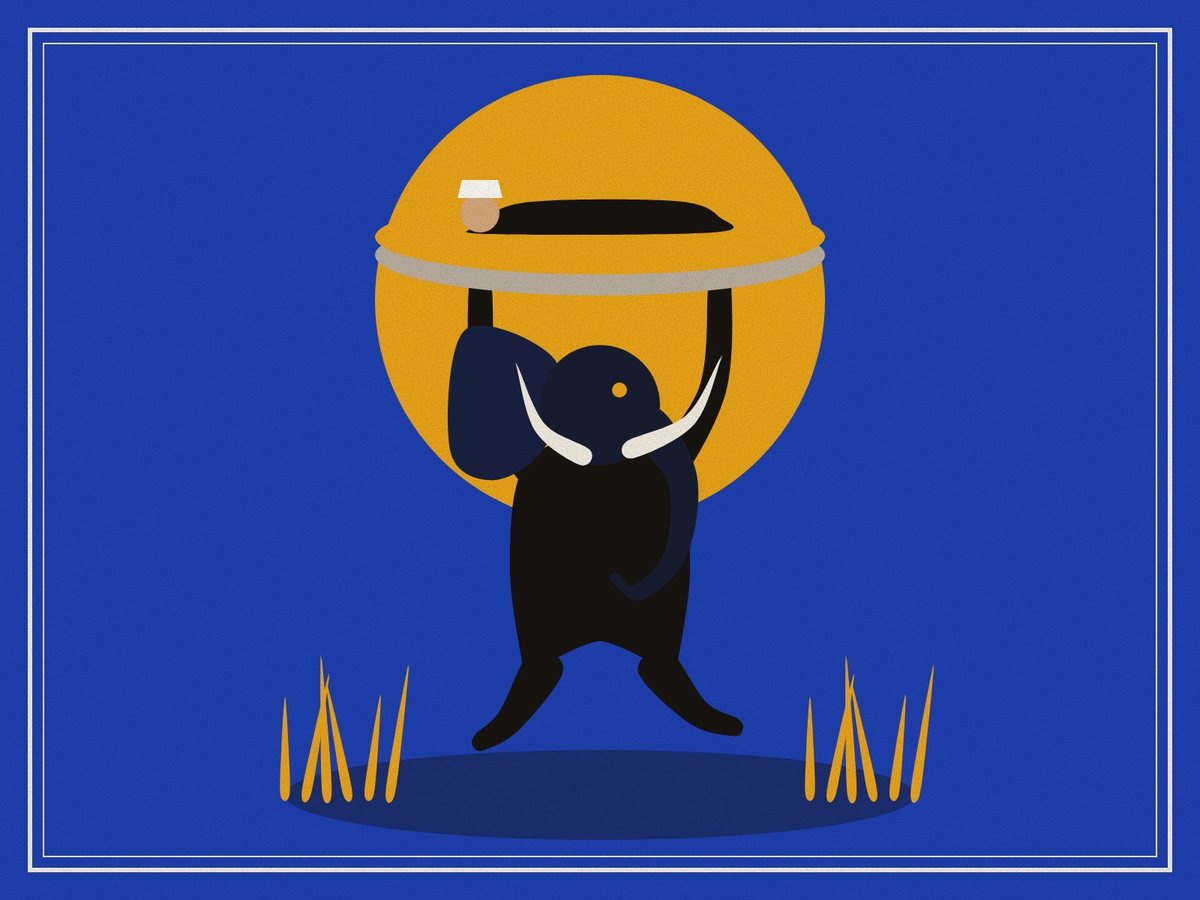
Akvan the Div
A div disguised as a golden wild ass, who lifted the sleeping Rostam into the sky and asked whether he would rather fall on a mountain or into the sea.