Luri and Bakhtiari
لری و بختیاریClose cousins of Persian, the Luri varieties of the central Zagros, Bakhtiari among them, carry the songs, laments and migration routes of the Lur and Bakhtiari peoples.
Each spring, Bakhtiari families have for centuries driven their flocks up from the winter pastures of Khuzestan through the gorges and over the snowbound passes of the Zagros to the summer grazing of Chaharmahal. The migration, the kuch, was filmed in 1924 for the documentary Grass, and it continues today, though many families now move their animals by lorry. The language spoken on the road is Bakhtiari, one of the Luri varieties of the central and southern Zagros.
Luri is a Southwestern Iranian language, among the closest living relatives of Persian. Linguists usually distinguish Northern Luri, spoken in Lorestan around Khorramabad and Borujerd; Bakhtiari, spoken in Chaharmahal and Bakhtiari and in northern Khuzestan; and Southern Luri, spoken in Kohgiluyeh and Boyer-Ahmad and the Mamasani area of Fars. A Persian speaker can follow a good deal of Luri, but its sounds, words and verb forms are its own. Its speakers usually call it simply Lori or Bakhtiāri.
A sung language
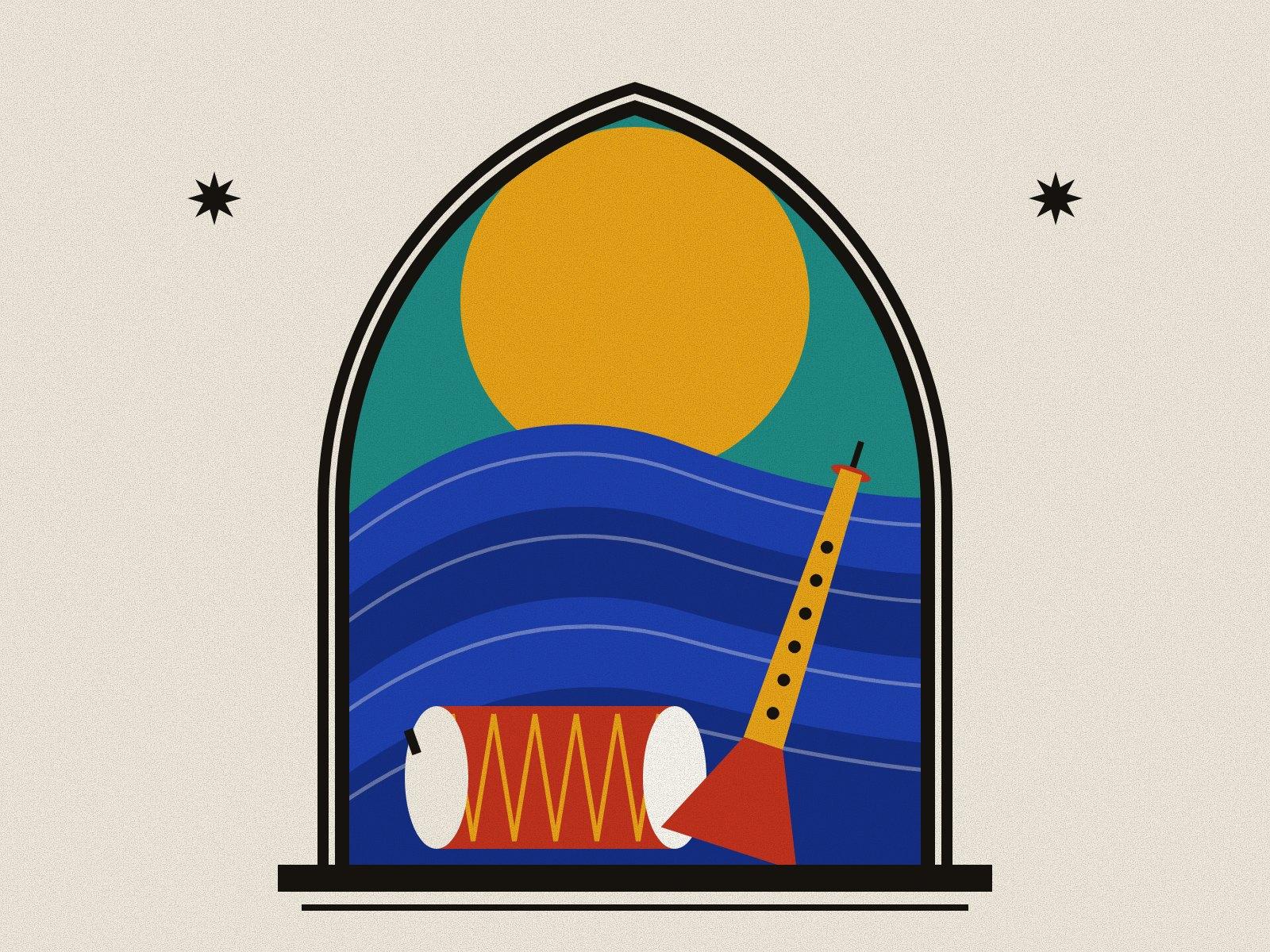
Luri has little written literature but an immense oral one. Its music, carried by the sorna shawm and the dohol drum at weddings and by the kamancheh fiddle, is among the most distinctive of Iran. Bakhtiari and Lur women sing laments for the dead, and men sing of horsemen, bandits and lost loves. Many Luri songs have become well known across Iran through radio and the recordings of popular singers. The quatrains of Baba Taher, the eleventh-century poet of Hamadan, are written in a dialect that many Lurs claim as an early form of their own speech, though scholars disagree about which dialect it was.
Luri has little written literature but an immense oral one.
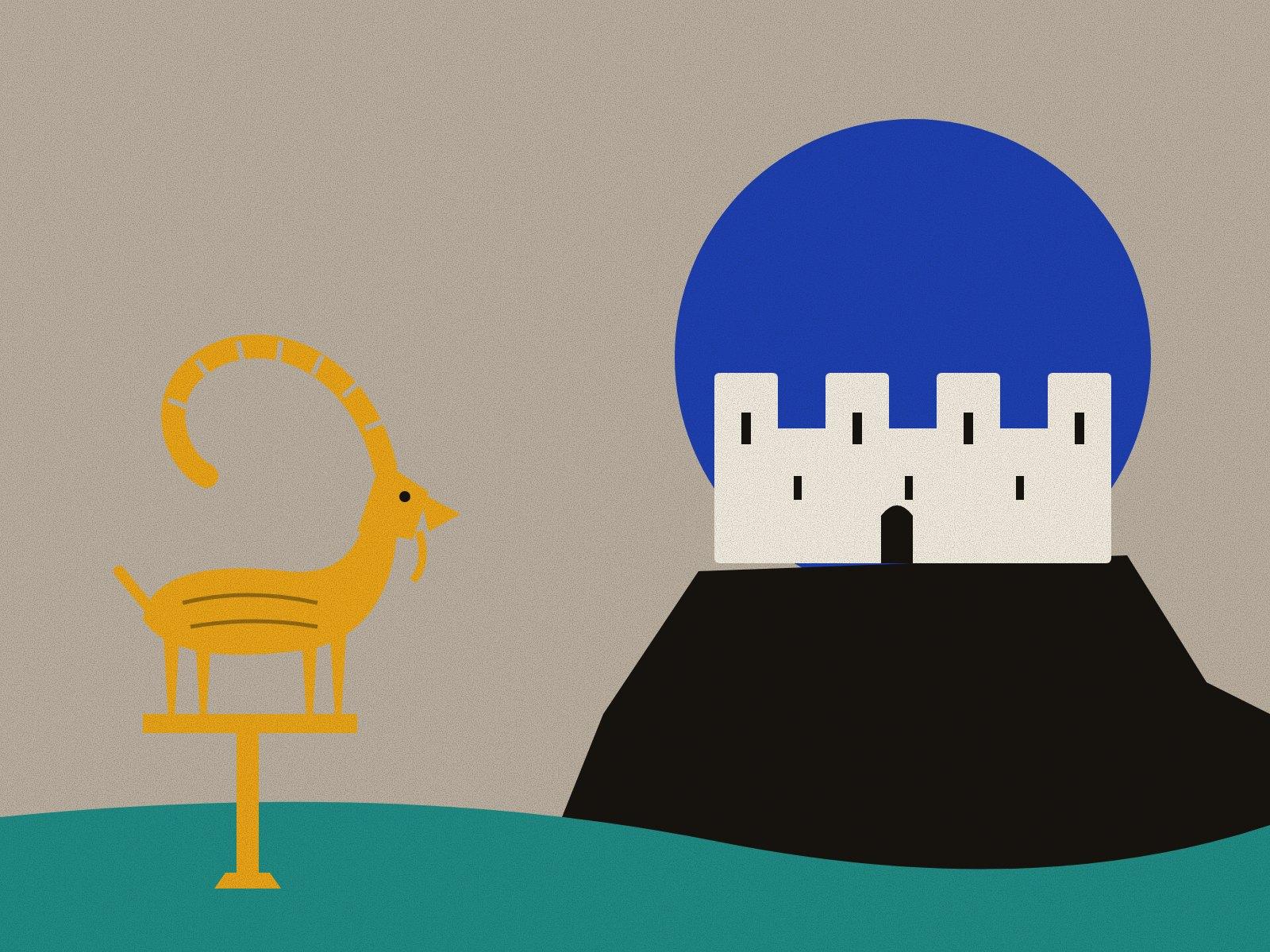
The land itself has deep roots. The bronzes of Lorestan, horse bits, finials and weapons cast in the early first millennium BCE, made the province’s name famous among archaeologists and collectors long before anyone outside Iran studied its speech. In Khorramabad the fortress of Falak-ol-Aflak, whose origins are usually traced to the Sasanian era, still stands over the town, and the Lur and Bakhtiari tradition of hospitality, a guest seated in the best place and fed before the family, is as much a part of the culture as the language.
Tribe, land and change
The Bakhtiari confederacy played a prominent part in modern Iranian history: Bakhtiari horsemen marched on Tehran in 1909 in support of the Constitutional Revolution, and Bakhtiari khans held high office afterwards. The tribes were forcibly settled under Reza Shah in the 1930s, and the long modern drift to cities has reduced the number of children learning Luri at home. Lorestan, Kohgiluyeh and the Bakhtiari lands nevertheless keep the language alive in daily life, and in recent years poets, singers and broadcasters have written and recorded more in Luri than ever before.
Across Cultureپیوندها
Music
Sorna and dohol
A piercing shawm and a great double-headed drum lead the weddings, festivals and mourning of the Lurs, the Bakhtiari and the Kurds, and draw everyone into the line of the dance.

Peoples
Bakhtiari
The Bakhtiari cross the high Zagros twice a year with their flocks. They are famous for that migration, for their part in the Constitutional Revolution, and for rugs laid out like gardens.
Peoples
Lurs
Lurs speak Luri, a close cousin of Persian, in the valleys of Lorestan, Kohgiluyeh and the southern Zagros. Their country holds the Luristan bronzes, black tents and the old seasonal migration.
More from Languagesزبانها

Persian
Spoken in Tehran, Kabul and Dushanbe under three names and written in two alphabets, Persian is one language with three national standards and a thousand years of shared poetry.

Old Persian and the cuneiform inscriptions
Carved into cliffs and palace walls in a script of wedges, Old Persian is the oldest recorded form of the Persian language, and the key that unlocked the cuneiform world.

Avestan
Known only from the sacred texts of Zoroastrianism, Avestan is one of the two oldest recorded Iranian languages, and it is still recited daily in fire temples in Yazd, Tehran and Mumbai.