Sanai
سنایی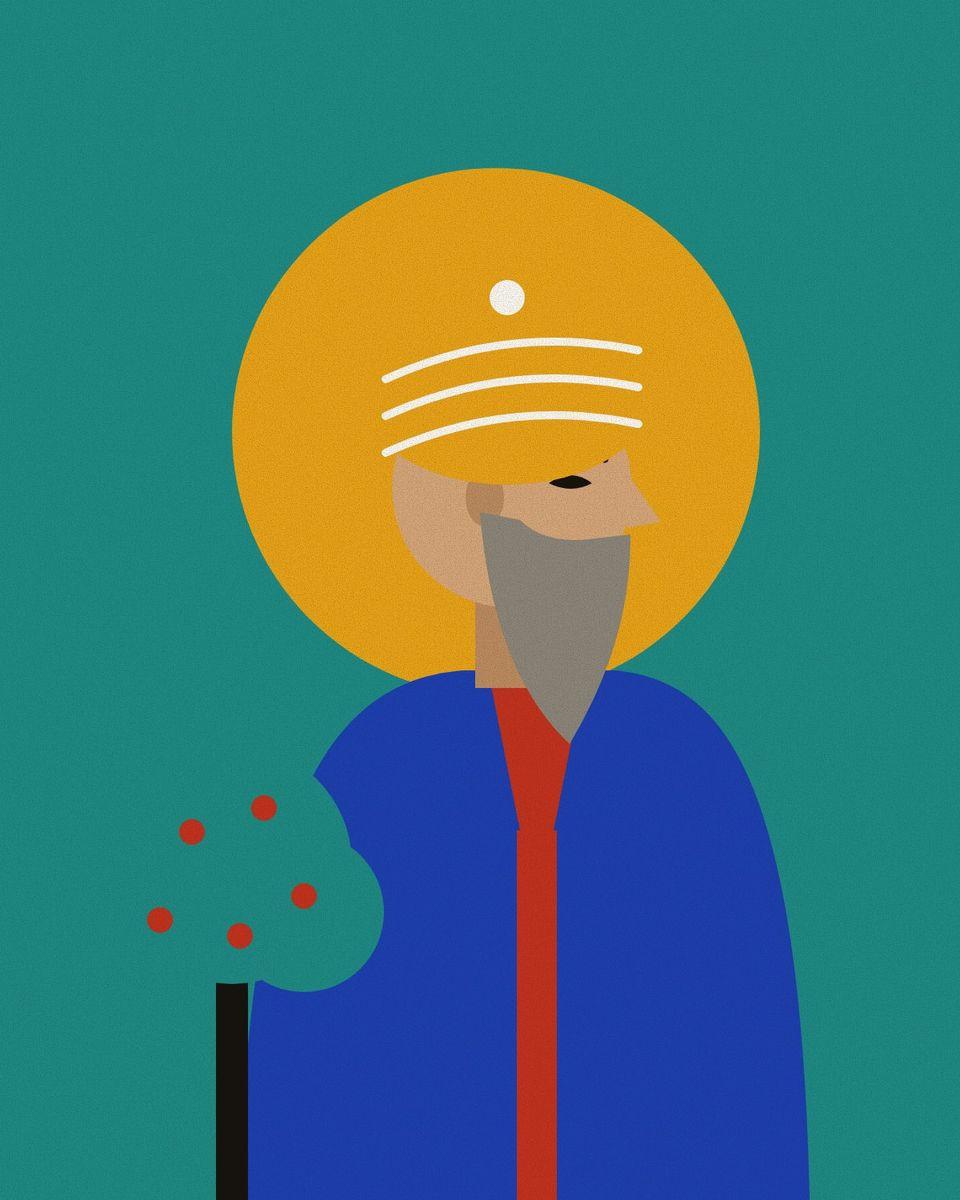
Poet of Ghazni who turned from court praise to mystical verse and made the masnavi a vehicle for Sufi teaching.
- Known for
- The Hadiqat al-Haqiqa (Walled Garden of Truth)
- Forms
- Masnavi, Qasida, Ghazal
- Places
- Kandahar and Ghazniقندهار و غزنی
- Collection
- The Greats
Abu'l-Majd Majdud Sanai lived in Ghazni, the capital of the Ghaznavid kings, and began his career writing praise poems for them and their courtiers. At some point he turned away from court poetry towards an ascetic and mystical life, though the story of a sudden conversion is a later legend.
His Hadiqat al-Haqiqa (The Walled Garden of Truth), dedicated to the Ghaznavid sultan Bahramshah, made the masnavi a vehicle for Sufi teaching, and Attar and Rumi followed the path he opened. His Divan holds qasidas and ghazals that brought mystical themes into the lyric. The date of his death is uncertain, and his tomb is in Ghazni.
Booksکتابها
The principal works of Sanai.
The Walled Garden of Truth (Hadiqat al-Haqiqa)
حدیقةالحقیقهSanai's long didactic poem, in ten chapters on God, the Prophet, reason, knowledge, love and the conduct of kings, dedicated to Sultan Bahramshah of Ghazni. Mixing teaching, anecdote and satire, it is usually regarded as the first great Sufi masnavi in Persian, and Attar and Rumi learned from it.
Read the poemThe Divan of Sanai
دیوان سناییSanai's lyric and homiletic poems: qasidas that preach against the world and the ego, and ghazals in which the language of love and the tavern begins to carry mystical meaning. It also contains his earlier praise poems for the Ghaznavid court.
Read 2 poemsThe Journey of the Servants (Seyr al-Ebad)
سیرالعباد الیالمعادA short allegorical masnavi on the soul's journey, guided by a wise old man, through the realms of the elements, the passions and the heavens back towards its origin. Scholars have often compared it with Dante's much later journey.
Poems by Sanaiشعرها
In the original Persian, beside an English translation.
مکن در جسم و جان منزل، که این دونست و آن والا
قدم زین هر دو بیرون نه نه آنجا باش و نه اینجا
Do not make your home in body or soul: this one is low, that one high;
step out beyond them both; be neither there nor here.
Do Not Make Your Home in Body or Soul
ملکا ذکر تو گویم که تو پاکی و خدایی
نروم جز به همان ره که توام راه نمایی
O King, I speak your remembrance, for you are pure, and you are God;
I go by no road but the one you show me.
O King, I Speak Your Praise
ای درون پرور برون آرای
وی خردبخش بی خرد بخشای
O you who nourish what is within and adorn what is without,
who give wisdom, and forgive those without wisdom;
You Who Nourish What Is Within
Sanai in Iranian history
Iranian historySeljuks, Mongols and Ilkhanidsسلجوقیان، مغولان و ایلخانان
Turkic and then Mongol conquerors took Iran in turn. The Seljuks built mosques and colleges; the Mongols brought catastrophe, then, as the Ilkhanids, became patrons of history-writing and art.