Fakhr al-Din Iraqi
فخرالدین عراقی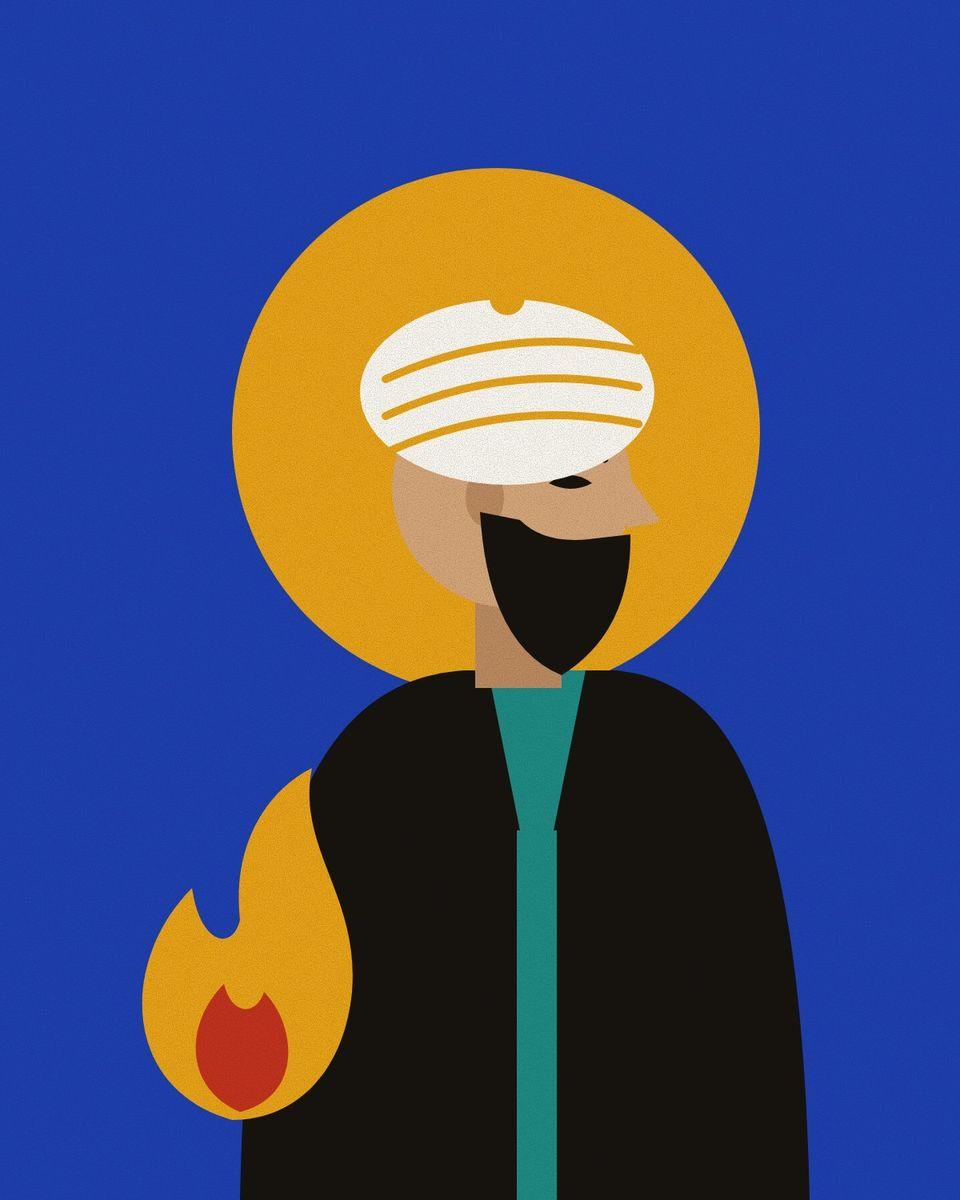
Wandering Sufi poet of Hamadan whose ghazals sing of a love that is both human and divine.
- Known for
- Mystical ghazals and the Lama'at (Flashes)
- Forms
- Ghazal, Prose and verse
- Places
- Hamadanهمدان
- Collection
- The Greats
Fakhr al-Din Ebrahim Iraqi was born near Hamadan and, as a young scholar, left with a band of wandering dervishes for India. In Multan he became a disciple of the Sufi master Baha al-Din Zakariya, stayed with him for many years and married his daughter.
After his master's death he travelled to Konya, where he heard the teaching of Sadr al-Din Qunavi, the pupil of Ibn Arabi, and wrote the Lama'at (Flashes), a short work of prose and verse on divine love. He later lived in Egypt and Syria, and died in Damascus in 1289. His Divan of ghazals, intense and musical, speaks of love in terms that can be read as both human and divine.
Booksکتابها
The principal works of Fakhr al-Din Iraqi.
The Divan of Iraqi
دیوان عراقیIraqi's lyric poems, chiefly ghazals of mystical love, valued for their music and ardour. Many use the imagery of wine, the cupbearer and the tavern that he shared with Attar before him and Hafez after him.
Read 3 poemsFlashes (Lama'at)
لمعاتA short treatise in prose and verse on divine love, set out in a series of 'flashes' and inspired by Sadr al-Din Qunavi's teaching of Ibn Arabi. Jami later wrote a commentary on it, the Ashi'at al-Lama'at.
Poems by Fakhr al-Din Iraqiشعرها
In the original Persian, beside an English translation.
عشق، شوری در نهاد ما نهاد
جان ما در بوتهٔ سودا نهاد
Love set a tumult in our nature,
and laid our soul in the crucible of longing.
Love Set a Tumult in Our Nature
ز دو دیده خون فشانم، ز غمت شب جدایی
چه کنم؟ که هست اینها گل خیر آشنایی
From my two eyes I shed blood in grief for you on the night of parting;
what can I do? These are the flowers that knowing you has borne.
On the Night of Parting
نخستین باده کاندر جام کردند
ز چشم مست ساقی وام کردند
The first wine they poured into the cup
they borrowed from the drunken eye of the cupbearer.
The First Wine Poured in the Cup
Fakhr al-Din Iraqi in Iranian history
Iranian historySeljuks, Mongols and Ilkhanidsسلجوقیان، مغولان و ایلخانان
Turkic and then Mongol conquerors took Iran in turn. The Seljuks built mosques and colleges; the Mongols brought catastrophe, then, as the Ilkhanids, became patrons of history-writing and art.