The Persian cat
گربه ایرانیA long-haired cat that European travellers carried home from Persia in the seventeenth century, and that breeders in Britain later turned into one of the best-known cats in the world.
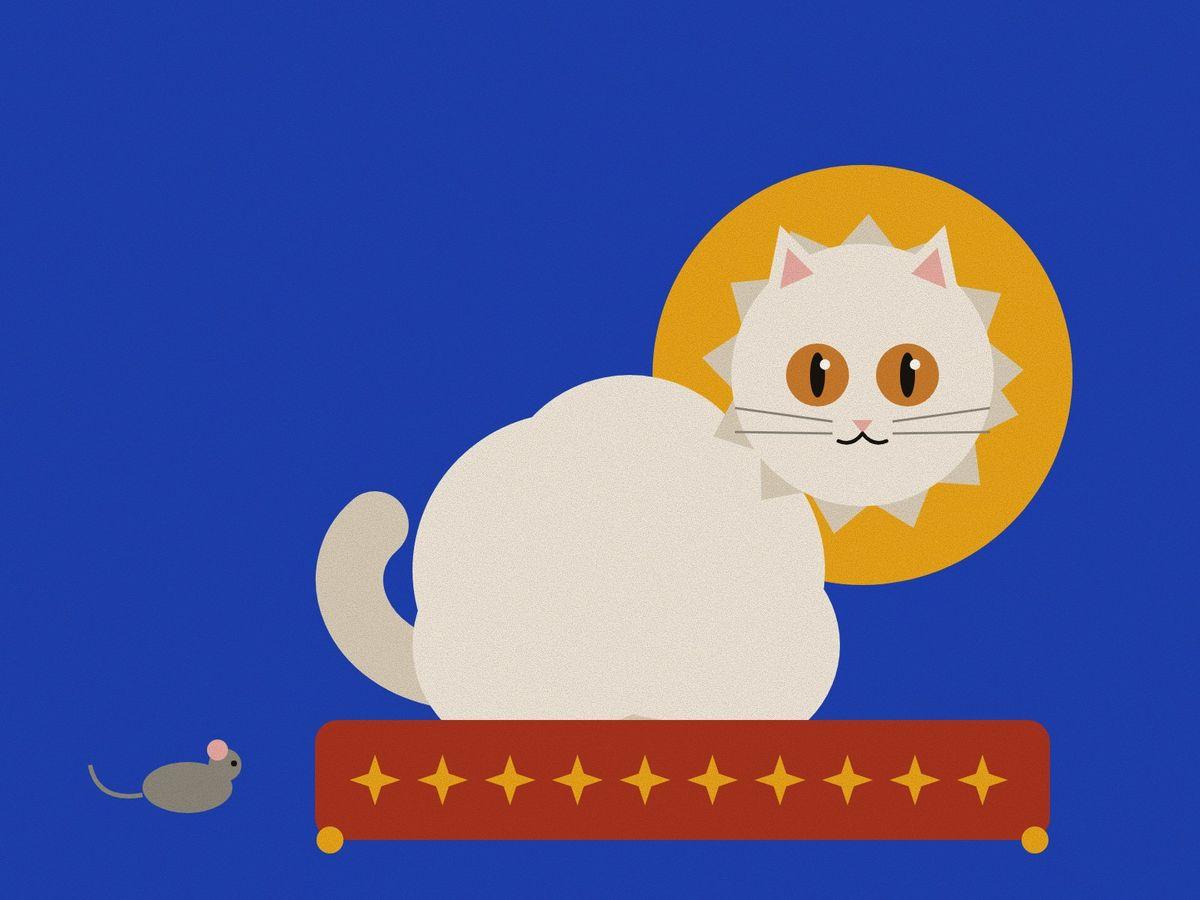
In Persian it is simply gorbe-ye irani, the Iranian cat. Long-haired cats were known in Iran and the lands around it long before anyone in Europe gave them a breed name, and they are still a familiar sight in Iranian homes: a heavy coat, a round head, a plumed tail and an air of owning the cushion they lie on.
Carried west
European interest began with travellers. The Italian Pietro della Valle, who spent years in Safavid Persia in the 1610s and 1620s, is traditionally credited with bringing long-haired cats from Khorasan to Italy, and he described them with obvious affection in his letters. Over the next two centuries such cats, from Persia and from Anatolia, became prized pets in France and Britain.
Made into a breed
The Persian as a pedigree breed was shaped in Britain in the nineteenth century, and long-haired cats were among those shown at the first large cat show, at the Crystal Palace in London in 1871. Later breeding, above all in the twentieth century, pushed the face flatter and flatter. Many vets and some breed clubs now argue for a moderate face, because the extreme flat-faced type is linked to breathing and eye problems.
The cat in Persian letters
Cats walk through Persian literature as well as Persian houses. The best known is the villain of Mush o Gorbeh, the Mouse and the Cat, a short satirical poem in which a pious-seeming cat devours the mice it has just sworn to spare. It is often attributed to Obeyd Zakani, though the attribution is disputed, and Iranian children still learn it by heart.
A heavy coat, a round head, a plumed tail and an air of owning the cushion they lie on.
Poetsشاعران

Obeyd Zakani
عبید زاکانیThe best-known satirist of classical Persian, who mocked the hypocrisy of the powerful in prose and verse.
More from Animals of Persiaجانوران
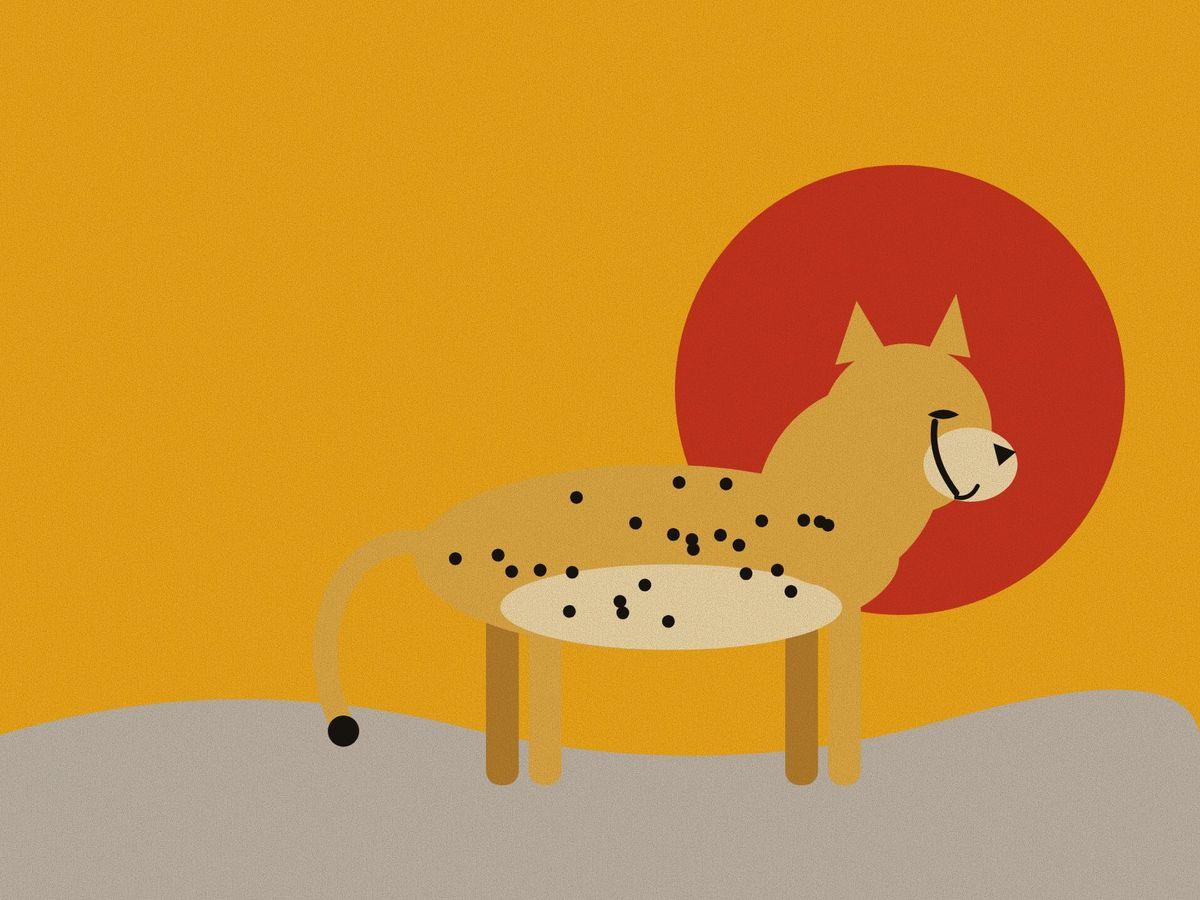
The Asiatic cheetah
Once a hunting companion of kings, now the last of its line: the Asiatic cheetah survives in the wild only in Iran, and only a few dozen are thought to remain.
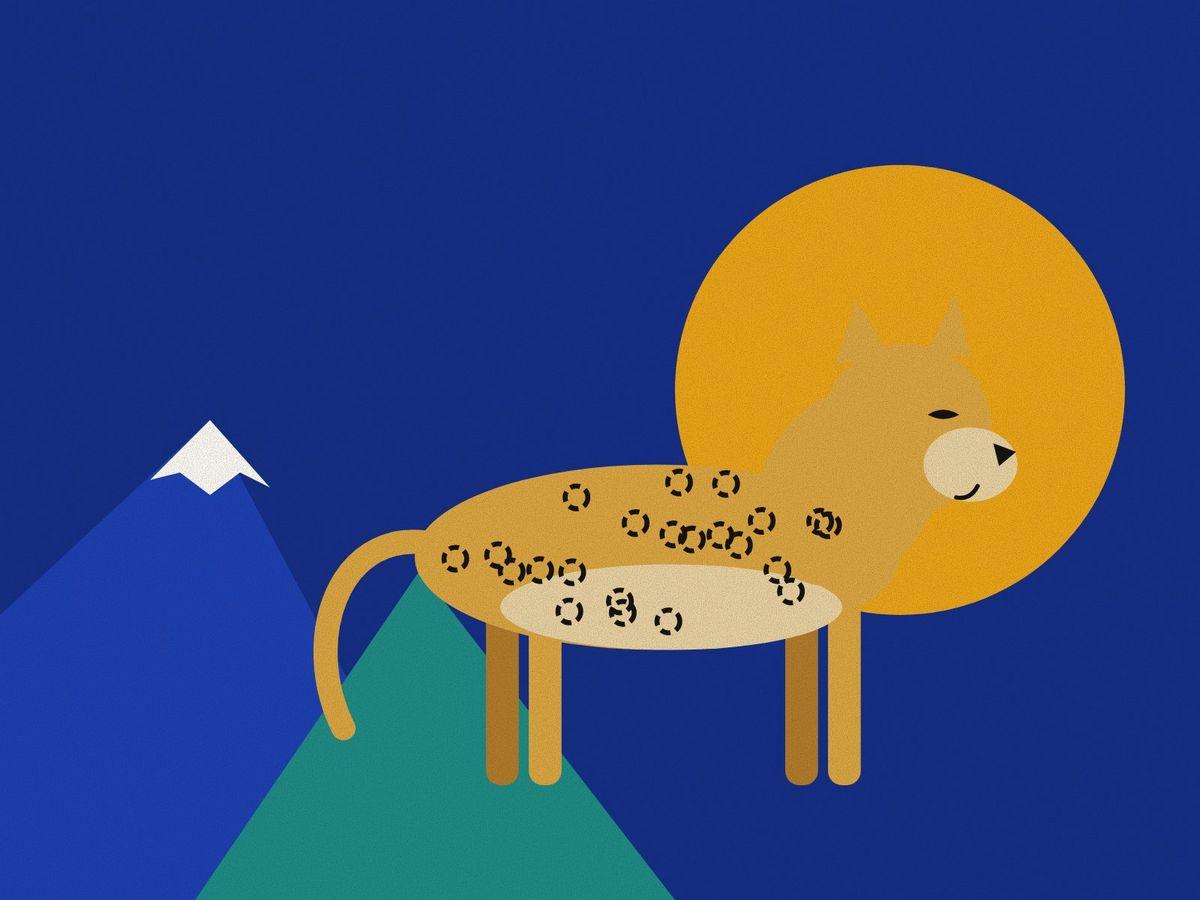
The Persian leopard
The great cat that never left: the Persian leopard still hunts the mountains of Iran and the Caucasus, sometimes within sight of Tehran's apartment blocks.
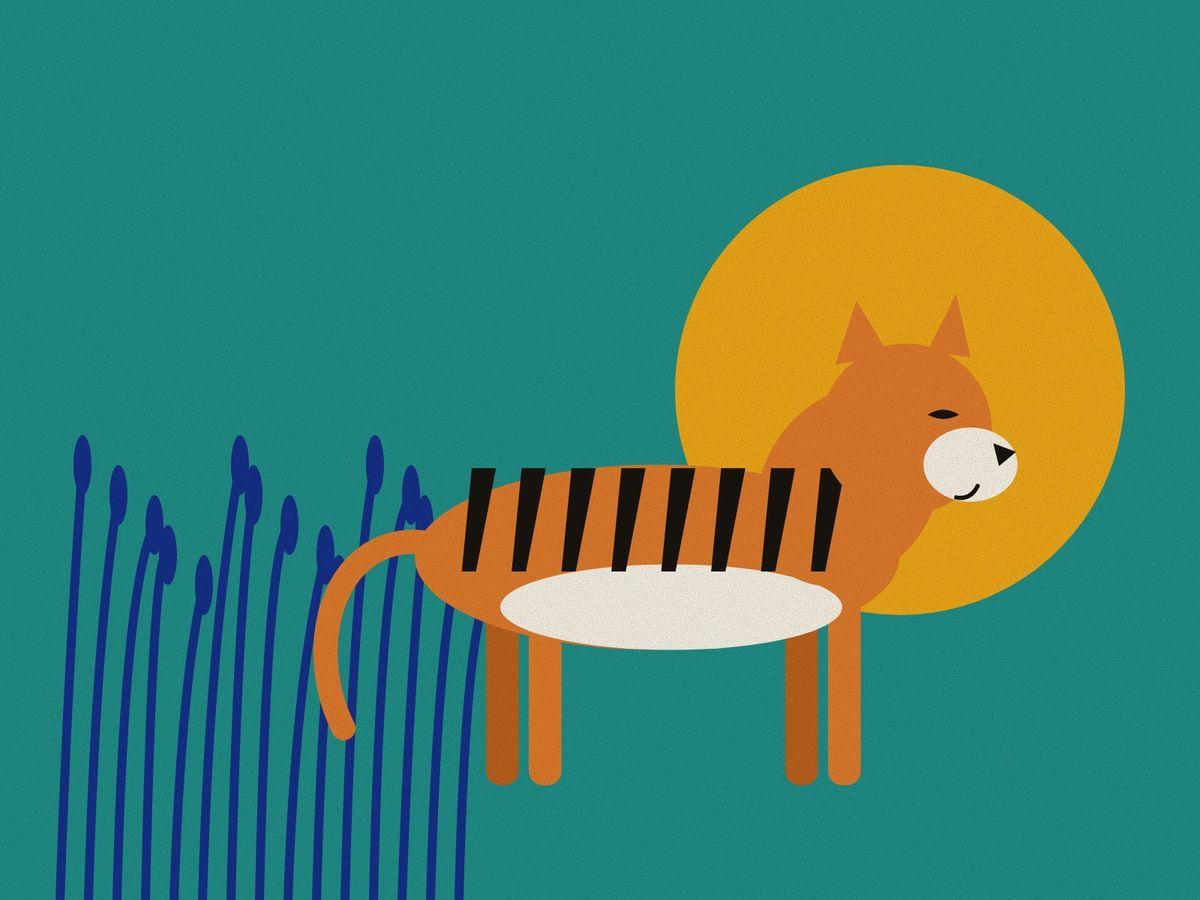
The Caspian tiger
The tiger of Mazandaran vanished from Iran in the mid-twentieth century. It lives on in a name, a hero's cloak and a genetic surprise.